Author: CDC

  • Sporotrichosis In Cats

    Sporotrichosis In Cats

    Sporotrichosis is an uncommon but a potentially staid fungal infection that can infect dogs, people or cats. The fact that this disease can be contracted by people from infected cats makes it serious and it should not be underestimated. Since this is not a common disease, owners or veterinarians may overlook Sporotrichosis as a possible reason of the symptoms.

    What causes Sporotrichosis?
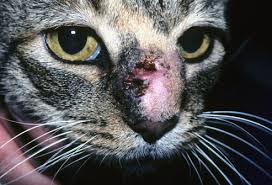
    Sporotrichosis in CatsSporothrix schenkii is responsible for Sporotrichosis. This fungus has the potential to infect the respiratory system, the skin, the brain and sometimes the bones. The fungus infects through inoculation (inhalation or abrasions of the skin). It has an environmental origin; it is found naturally in the soil, sphagnum moss and plants. It can also be communicated zoologically in different animal species, and from animals to humans.

    Cats have a tendency to acquire a severe type of cutaneous sporotrichosis, this makes them have a higher chance of transmitting the disease to people and other animals. In-fact male cats that fight and roam outdoors are predisposed to puncture wounds which give S. Schenkii an advantageous route to get into the body. Sporothrix may also be communicated by other cats, often via scratches to the skin.

    Other causes may include:

    [unordered_list style=”green-dot”]

    • Cat scratches which offer an increased chance of infection.
    • Immunosuppressive infection should also be well thought-out as a risk factor.
    • Clinically healthy cats using the same household with infected cats or exposure to infected animals is also risky.
    • Animals around decaying organic debris in the soil tend to be predisposed.

    [/unordered_list]

    Symptoms and Types

    Cutaneous sporotrichosis

    [unordered_list style=”tick”]

    • Lesions, or bumps on the surface of the skin, swollen lymph glands
    • Wounds which are associated with fighting may be found on the lumbar region, head or on the distal limbs
    • Poor response to previous therapy in antibacterial
    • Disease of the lymph (lymphadenopathy) is also common
    • Previous puncture wound or trauma in the areas affected is a variable finding
    • Combination of lymph and cutaneous form – normally an extension of the cutaneous type, which spreads through the lymph, leading to the formation of new draining tracts or crusts and nodules.

    [/unordered_list]

    Disseminated sporotrichosis

    [unordered_list style=”tick”]

    • This is an uncommon form and is caused by an initial infection spreading into the body to a secondary area
    • Systemic signs of fever and malaise
    • When the infection spreads to the joints and the bones, it leads to oesteoarticular sporotrichosis
    • When the infection spreads to the brain and the nervous system, it may cause sporotrichosis meningitis
    • Symptoms include weight loss (cachexia) and loss of appetite (anorexia).

    [/unordered_list]

    Pulmonary sporotrichosis

    [unordered_list style=”tick”]

    • Its occurrence is associated with inhalation of sporothrix schenkii spores
    • There is more risk of developing pneumonia for infected animals.

    [/unordered_list]

    Diagnosis of sporotrichosis in cats

    This chronic disease has creeping progression and its symptoms are often subtle. It is hard to diagnose because many other infections have the same symptoms and thus must be ruled out. Patients for the disease will produce antibodies against the fungus, but because of the variability in specificity and sensitivity, it will not be a dependable diagnosis for the infection. The substantial diagnosis stands to be culturing the fungus from the cerebrospinal fluid, skin, synovial fluid and sputum.

    Cats infected with sporotrichosis are exclusive in that the exudates from their lesions may be made up of numerous organisms. This leads to cytological evaluation of the exudates a expensive diagnostic tool in this species. Exudates with phagocytic and pyogranulomatous cells may contain yeast forms. Most of them are cigar-shaped but are also variable in size.

    Treatment

    Treatment of sporotrichosis in cats has given veterinary practitioners a great challenge. This is because the drugs that are mostly used have toxic adverse effects that are notable and they are also not permitted for use in animals.

    Imidazoles

    Sodium iodide has traditionally been used in diagnosis of sporotrichosis in cats; however, the agent has serious adverse effects leading to its replacement with safer and more effective antifungal drugs like imidazoles.

    Itraconazole

    Itraconazole has also been used in treating sporotrichosis in cats and is currently considered as the most efficient drugs in humans and also in cats. Due to its great selectivity for the fungal cytochrome system, Itraconazole is a potential inhibitor of a variety of fungal pathogens. Being a lipophilic drug, it is absorbed well after oral administration and widely spread to tissues such as the skin, where it gains a higher concentration than that in plasma.

    In cats, it is administered orally at dosages of 5-10mg/kg (2.4-4.5 mg/lb) for every 12 hours. This should be preferably without food to increase rate of absorption. Compared to an equivalent dosage with the capsule formulation, the liquid type is considered because it allows for more accuracy in measurement of the dose. Again, it is efficiently absorbed if food is withheld and gains greater concentration than plasma.

    Itraconazole has few associated side effects being reported in cats. During pregnancy, itraconazole administration is contradicted. Drug toxicoses have been reported in cats treated with antifungal agents. This will necessitate performance or regular serum bio-chemical analysis during sporotrichosis treatment. Treatment should be prolonged for one month after clear clinical cure to avoid clinical signs from recurring.

    Ketoconazole

    Ketoconazole has also been widely used but it has not led to comprehensive elimination of S.schenkii infection.

    Prevention

    As mentioned throughout this article, most of the cases of sporotrichosis are due to introduction of the fungus through a puncture or a cut in the skin while handling vegetation made up of fungal spores. As a cat owner, the disease can be prevented by wearing gloves and long sleeves while working with rose bushes, sphagnum moss, pine seedlings, hay bales and soil. This will minimize transmission when petting you cat.

    Remember prevention also consists of immediate treatment of all wounds to you or your cat. Its also important to minimize cat fights, to reduce the risk of transmission.

    Fortunately, sporotrichosis is very uncommon in dogs, people and cats. But we should always remember to check if our pets have non-healing sores or develop nodules, specifically if they are involve in cat skirmishes or spend more time in the woods.

    If any symptoms of sporotrichosis are identified, it is important to report to a veterinary for immediate action. You should also see a physician for check-up; just in cases you are infected.

    Thanks for The Cat Dandruff Clinic, if you found this article informative please like us using the side bar .
    [hr]

    Related Posts:

    [related_posts limit=”3″]

  • Cat Wipes: More Than Just you average baby wipes

    Cat Wipes: More Than Just you average baby wipes

    This article will focus on cat wipes and why every cat owner needs to have these handy. See why the benefits cat make your cat’s life that much better.

    Offer a Helping Hand

    The popular notion is that cats do not need any help with their grooming. Many people own cats because they are thought to be independent but still offer love and companionship. While it’s true that cats don’t need traditional bathing in the same way that dogs do, they may require a little help from time to time. Having these nifty wipes around will prove to be very helpful and although not a replace, can be a great alternative to a bath.

    How Are Cat Wipes Helpful?

    Cat wipes are beneficial to have around for multiple reasons. The most obvious reason is to help your cat clean herself when she has gotten into something overly messy. Generally, cats don’t really take to water very well. It stresses them out and is a very unpleasant experience (if they are new to the process). Additionally, as most cat owners know, when you bathe your cat you may get the cold shoulder for the rest of the day 🙂 . Or, at least until she’s dried off and groomed herself back to perfection. It’s better to leave the traditional baths for when they are absolutely necessary.

    Most Common Reasons to Reach for a Cat Wipe

    [unordered_list style=”tick”]

    • If your cat goes outside, she may roll around in the dirt while sun bathing or walk through some mud.
    • Indoors, she can get into a multitude of dust and gunk that just isn’t healthy for her to ingest while she’s grooming.
    • Many cats can become stressed while traveling. Taking a trip to the vet may cause your cat to vomit from the anxiety of the car ride. A cat wipe is extremely handy in these cases as well.
    • They are also helpful for overweight cats that have trouble grooming until they reach a healthy weight.
    • In hotter conditions it will help stop your cats skin from drying out and shedding.

    [/unordered_list]

    Are They Safe?

    All cat wipes are gently formulated and nontoxic. The cleansing agents are okay for your cat to ingest. You don’t have to worry about her when she licks and grooms (and she will) directly after being wiped down with a cat wipe.

    Shedding and Skin Care

    Another reason to have cat wipes around is that the wipes can help minimize shedding. Wipes are designed to clean your cat’s fur of dander (dandruff) and other allergens while leaving behind allergy protection (temporary of course). This is because most wipes are formulated to reinforce/restore your cat’s coat by replenishing the natural protective oils your cat produces. This helps minimize shedding.

    Finally, Another welcome benefit is that in most cases the wipes help balance out any unwanted odor that may linger in your cat coats.

    Helpful for Allergy Sufferers

    They can also ease the symptoms of allergy sufferers. The cleansing agent in cat wipes removes dander and traces of her saliva from her fur. Cat allergies are twice as common as dog allergies. Proteins in cat saliva and dander are what trigger allergic reactions in people that are sensitive to them. Even people who do not have a direct allergy to these proteins can have reactions to cats that go outdoors. If your cat is allowed outside, she can bring in pollen or mold on her fur. Wiping her down with a cat wipe can prevent this trigger for people that suffer from these allergies.

    Choosing the Best Wipes

    There are a variety of cat wipes available. Some are all natural. They use green tea and tea tree oil to cleanse and moisturize. There are also hypoallergenic and fragrance-free wipes for sensitive kitties. Overall, our top choice is Earthbath™ All Natural Cat Wipes. They are highly recommended because they are effective yet gentle. These are 100-percent bio-degradable, “cruelty free” and safe enough for everyday use, but provides thorough cleansing and odor control.

    Above all, they brighten and soften your cat’s coat by using “awapuhi” extract and aloe to moisturize while conditioning. This minimizes shedding and keep your cat’s fur healthy, shiny and smelling fresh for cuddle time.

    Thanks for visiting www.catdandruffclinic.com, if you liked this article please like us using the side bar .

    [hr]

    Related Posts:

    [related_posts limit=”3″]

  • Cat Grooming: The FURminator Review

    Cat Grooming: The FURminator Review

    This article will cover the important things you need to know about choosing a quality feline brush and why the FURminator is our top choice.

    Don’t Let Your Cat Fool You

    The common notion is that cats are independent and don’t need us for much. They only see us as a warm spot to snooze on, or as giant can openers. It’s true that cats are the regal loners of the pet kingdom, but they do need our help sometimes, even when they are too arrogant to admit it.

    Why Cats Are Always Grooming

    When cats are not catching up on their beauty sleep, they are grooming. Cats groom for various reasons.

    [unordered_list style=”tick”]

    • They groom after eating, because in the wild they need to remove all traces of a fresh kill in order to avoid altering other predators.
    • Cats can groom for comfort or stress relief.
    • They also groom to keep their body temperature cool through the evaporation process.

    [/unordered_list]

    Why Raspy Tongues Are Just Not Enough

    Their rough tongues are covered in a collection of miniscule barbs called papillae. Your cat’s tongue is her spoon for sipping milk, her lint roller, and her brush. While grooming, her tongue catches any debris, dirt, and loose fur that she will inevitably swallow. This is what causes hairballs. When a large collection of the aforementioned particles gather in the esophagus or stomach, your cat gets rid of it. She will bring it back up, and onto your new rug.

    If a cat is excessively shedding or has a long coat, hairballs are more frequent. A way to help your cat (and your rug) avoid this unpleasant experience is by assisting your cat with her grooming.

    The Benefits of Brushing Your Cat

    [unordered_list style=”tick”]

    • It prevents hairballs. Sometimes, hairballs can cause obstructions in the gastrointestinal system. The more you brush your cat, the less hair she will ingest and the less frequent her production of hairballs will be.
    • It prevents tangles and matting. Longhaired breeds are especially prone to matting. Brushing your cat spreads her natural oils throughout her fur, keeping it shiny, healthy and tangle-free.
    • It promotes bonding. Brushing your cat is a great way to bond with her. Cat’s socially groom each other as a form of affection. To your cat, you are showing her love by grooming her the way a littermate or her mother would.

    [/unordered_list]

    Selecting a Brush

    There are numerous brushes and combs out there. The right brush or comb depends on the length, density and texture of your cat’s fur. Slicker brushes are often used for longhaired cats that have soft coats. Brushes that have shorter teeth work better for short fur. Gloves that have a rubber palm with ridges or projections to catch fur, only work on the topcoat.

    The petting motion you use while wearing it swipes up all the loose superficial hair, but the majority remains underneath the topcoat waiting to be picked up by your cat’s tongue during grooming.

    The FURminator Cat Brush : Not Just Your Regular Brush

    By far, the best tool out there to remove dead hair and reduce shedding is the FURminator. There is a very good reason why professional pet stylists use it in their salons and why your vet will recommend the FURminator if your cat is having trouble with excessive hairballs. Most breeds of cats have three layers of hair that make up their coat: the topcoat, the guard hair, and the undercoat.

    The FURminator decreases shedding by getting down into the undercoat and removing dead hair. Other brushes only sweep through the fur and remove hair from the first two layers. Because the FURminator goes deeper into the coat to remove hair from the undercoat, you only need to use it one to two times a week as opposed to every other day like a regular brush.

    Your cat will thank you (in her own way) for the reduction of hairballs and for the time you spend brushing her.

    Thanks for www.catdandruffclinic.com, if you liked this article please like us using the side bar social buttons.

    [hr]

    Related Posts:

    [related_posts limit=”3″]

  • Top 3 Best Flea Treatment for Cats: Help Relieve Your Pet

    Top 3 Best Flea Treatment for Cats: Help Relieve Your Pet

    Being a cat owner can be one of the greatest joys in life. Although cats bring a lot of happiness into your home, they can also bring unwanted fleas, and leave you thinking “what is Best Flea Treatment for Cats?”. It is an awful feeling when you look down and see fleas crawling throughout your cat’s fur. Unfortunately, if not treated right away your house can also become infested with fleas. Once this occurs, the fleas can become harmful to yourself and any other living thing in the home.

    Flea bites can be incredibly painful as well as harmful to your feline friend. Sometimes the flea bites can cause such extreme itching that it even leads to hair loss and infections of the skin.The best way to help your cat avoid exposure to fleas is to use preventative medicine. When looking at different flea medicines, please consider the following tips if you are looking for the Best Flea Treatment for Cats:

    [unordered_list style=”tick”]

    • Ensure that the dosage is correct for the weight of your cat.
    • Ensure that you read the directions carefully and ask your local veterinarian if you have any questions.
    • Ensure that other products, such as shampoos and powders, do not conflict with the flea medicine.
    • Ensure that the medication does not contain the active ingredients permethrin or pyrethrin.

    [/unordered_list]

    Below are the Top 3 Best Flea Treatment for Cats and the most popular preventative flea treatments.

    Advantage II: Our top choice for the Best Flea Treatment for Cats

    Advantage is a topical treatment used to kill existing fleas within 12 hours of application and is easily the Best Flea Treatment for Cats. This is a perfect fit for cats that have been exposed to fleas. Advantage II now includes an added ingredient which stops the formation of existing flea eggs. This ingredient stops the vicious cycle and prevents your cat from getting new fleas after the treatment has killed the adult fleas. Along with killing fleas and flea eggs, Advantage II also kills chewing lice.

    Advantage is an easy-to-apply topical treatment. The medication is placed directly on the nape of the neck of the cat. Most cats do well with the application of the medication.

    A great added benefit of Advantage is that a lower percentage of side effects were seen as compared to other highly competitive flea treatments. If you have noticed that your cat has experienced side effects with other treatments, you may want to consider trying Advantage flea treatment for cats.

    See additional details on Advantage 2 by visiting Our Top Picks for Fighting Feline parasites


    Frontline: A worthy option for the Best Flea Treatment for Cats

    Frontline is another high quality topical treatment that prevents your cat from getting fleas and is among the top Best Flea Treatment for Cats. The treatment is applied to the back of the cat’s neck. It is best to avoid touching the treated area until it is completely dry. The medication should be reapplied on time per month to provide continued control over fleas. It is easy to stay on schedule because Frontline includes stickers that you can apply to a calendar that is seen on a regular basis.

    Along with killing and preventing fleas, Frontline also protects cats from chewing lice and various types of ticks. This protection is very important as ticks can carry lyme disease and be potentially dangerous for your cat.

    Another great benefit of using Frontline is that it is waterproof. You do not need to worry about the medication becoming ineffective due to water exposure.


    See additional details on Frontline by visiting Our Top Picks for Fighting Feline parasites


    Revolution: Ask your vet, this maybe right for you pet.

    Best Flea Treatment for CatsAnother topical treatment that helps to control fleas on cats is Revolution. This medication must be prescribed by a veterinarian as there can be some side effects. It is important to go over these side effects with your cat’s local veterinarian.

    This topical treatment has been known to dry faster after application than other topical flea control medications. This is great for people with indoor cats who like to rub on the furniture.

    Although this product is a flea and tick control medication, it does so much more than that. Revolution also helps to prevent and control heartworms, roundworms, ear mites and hookworms. Revolution’s extensive protection is perfect for people who have multiple cats in the home or have outdoor cats.

    Each of the above medications is extremely effective at controlling fleas and are rated as some of the Best Flea Treatment for Cats. Each one has its own list of additional benefits which can be taken into account when you are choosing a flea treatment for your cat. You may want to talk with your cat’s veterinarian to decide which option is the best one for your family.

    Thanks for visiting www.catdandruffclinic.com. Review our top 5 ways you can help save a pet.  If you liked this and other articles please like us using the side social bars .

    [hr]

    Related Posts:

    [related_posts limit=”3″]

  • Feline Stud Tail: Not A Good Look

    Feline Stud Tail: Not A Good Look

    Cats and humans are not too far apart when it comes to life. As a teenager, you can probably recall waking up in the morning to find one or several pimples scattered across your face. This condition, known as acne, was a result of the oil glands located at the base of your hair follicles being stimulated and producing large amounts an oily liquid called sebum as a result. The sebum would then carry dead skin cells into the follicles and through to the surface of your skin. Then, small hair would begin penetrating the follicles and showing up on your skin. When these follicles are blocked, oil begins to build up beneath the skin and pimples are formed. Feline stud tail, a skin infection found in cats, is similar to when acne occurs in humans after too much secretion is released from the sebaceous glands. However, by following the proper steps and providing your cat’s condition with generous attention, feline stud tail can be prevented. The first step is being able to recognize stud tail in its earliest stages.

    Signs and Symptoms

    shaved-stud-tailAs stud tail first sets in on your cat, you may notice a foul odor begin to emit from it; the hair at the base of the tail will become knotted, oily, and much darker than the hair at the tip of its tail. Over a short period of time, the hair will also begin to grow thinner before eventually fall out. Then, a waxy substance will form around the tail and blackheads—also known as comedones—will begin to emerge from the infected area as well.

    Causes

    The condition that causes stud tail in the first place is similar to what is found in teenagers who are entering into the early stages of puberty. Located at the base of the tail is the supracaudal gland, which contains sebaceous glands; these glands produce an oily substance called sebum. Skin infection occurs as a result of these glands secreting excessive amounts of sebum. Stud tail is a condition mostly associated with male cats that still have their reproductive organs intact; their male hormones will produce large amounts of sebum naturally. While stud tail occurring unneutered male cats is the rule, the condition still has a possibility of infecting neutered male cats, as well as female cats.

    Treatment

    In order to properly treat feline stud tail, it is recommended that you wash around your cat’s tail area twice a day with a medicated shampoo, specifically antiseborrheic shampoo, which will be discussed further on in more detail. Additionally, the hair in this region may be cut off in order for the shampoo to more effectively penetrate the infected area. Also, sprinkling baby powder or even cornstarch along the base of the tail has been known to alleviate the infection. If necessary, male cats with stud tail may be neutered to ensure that the condition does not reoccur.

    Review of Douxo Seborrhea Shampoo

    Douxo Seborrhea Shampoo is the ideal shampoo to help treat your cat’s stud tail, as it will prevent further inflammation in the infected area while also moisturizing it and eliminating any resulting odors. The shampoo also includes a foaming solution, which contains hypoallergenic refining bases, as well as film-foaming and moisturizing agents that will help do away with cellular residue and put a stop to excess sebum buildup within the glands, while also controlling the production of sebum.In order to prevent feline stud tail from occurring in the first place, it is best to regularly bathe your cat while also maintaining good grooming habits.

  • The Reality of Feline Leukemia: Symptoms, Treatment and Prevention

    The Reality of Feline Leukemia: Symptoms, Treatment and Prevention

    One of the most common types of viruses that affects cats is feline leukemia (FeLV). It is a disease that damages a cat’s immune system and can lead to the development of various forms of the virus. FeLV can be transmitted from one cat to another by physical contact. The most common method of transmission of the virus is by the animal’s saliva and nasal secretions. Unfortunately, Feline leukemia causes the most deaths of indoor cats and can be contracted by any breed. Male cats have a greater chance of getting the disease than females. Feline leukemia usually develops in cats when they’re between one and six years of age.

    Name: So why is it called “Feline leukemia”

    FelV is a retrovirus that produces an enzyme that affects it which permits it to insert copies of its own genetic material into that of the cells they have infected. This process is similar to the effects of leukemia. The name was created because the virus that caused the disease was considered a form of leukemia. When it was realized the virus was not related to leukemia, the description remained. The name stuck and it’s how the virus is referred to by both pet owners and veterinarians.

    Types and Symptoms

    The kind of feline leukemia infection that your cat has received will be determined from a variety of infection types. There are three different categories of infection; FeLV-A, FeLV-B and FeLV-C. A cat can suffer with one, two or all three forms of the virus. FeLV-A develops in all cats that have been infected and It damages the cat’s immune system if untreated. FeLV-B develops in about half of the cats who are infected. It will result in a cat experiencing different sized tumors and different kinds of irregular tissue growths on its body. FeLV-C is the rarest form of the disease. Less than 1 percent of cats develop this variety of the disease. FeLV-C causes a cat to develop severe anemia.

    A cat that may have contracted the virus could exhibit some of the following signs:

    [unordered_list style=”arrow”]

    • A loss of appetite
    • Damaged fur
    • Problems with their pupils
    • Seizures
    • Dramatic weight loss
    • long term Fever
    • Abortion of kittens (if pregnant) or other reproductive failures
    • Persistent diarrhea
    • Enlarged lymph nodes

    [/unordered_list]

    Once a cat has been infected, it may be able to successfully battle the disease and develop an immunity to it. Some cats remain in good health but are a carrier that will display no symptoms for several years if ever. Some cats become infected and only develop a damaged immune symptom.

    Diagnosing

    When it comes to diagnosing feline leukemia, the infected cat will have to  be exposed to a symptomatic carrier for approximately a month or longer for it to be detected from a blood sample. After about five months of constant exposure around 80 percent of cats will develop symptoms of feline leukemia.

    Initial tests will include blood work, urinalysis and chest X-rays. These tests may or may not reveal any problems. The testing may also show anemia or a low-grade urinary tract infections, abnormal tissue growths or fluid mass.

    If a veterinarian suspects a cat has the virus after initial testing, they can then perform a test to confirm their suspicions. There is an ELISA (enzyme-linked immunosorbent assay) test that can be done with a cat’s tears, saliva or blood. This test is able to identify cats that are at the early stages of the virus.

    Another test called IFA (indirect immunofluorescent antibody assay) analyzes a cat’s blood or bone marrow. This is done after the ELISA test is performed and will identify the stage of the infection. Unfortunately, Cats that have a positive IFA result typically do not have a good long term survival rate.

    Treatment

    There is currently no treatment for feline leukemia that is completely effective. The United States Department of Drugs and Alcohol (USDA) has approved a treatment for cats with feline leukemia called LTCI. It is a natural protein that helps a cat improve its ability to battle infections. Also an approved European treatment called Interferon-ω (omega) has been effective in improving in mortality rates when used on in treating cats infected with FeLV in a non-terminal stage.

    Prevention

    The main way to have an uninfected cat avoid contacting the virus is to contact a veterinarian and have it vaccinated against the disease. The vaccines administered each provide a different level of protections.

    If cat owners also follow some simple rules they can decrease the chances of their pets getting the virus. Every cat in the household, even if it’s the only cat, should be tested. Viremic cats are felines that carry the virus, but do not suffer any of the symptoms. Any cat diagnosed as a viremic cat should be removed from a home or quarantined. All contact with any viremic cat should be avoided by uninfected cats. Anything a cat comes in contact with on a regular basis such as dishes, bedding and litter boxes should be disinfected regularly. Interaction with other cats, especially cats with no owner, should be prevented. Cats that spend time in the outdoors should be tested every three months. Cat owners should be careful make certain their pets only breed with other cats that don’t have the virus.

    [hr]

    Related Posts:

    [related_posts limit=”3″]

    Image courtesy of Grant Cochrane / FreeDigitalPhotos.net
  • Best Dry Cat Food for a Healthy Feline

    Best Dry Cat Food for a Healthy Feline

    Cats are picky eaters. Anyone that has a cat knows what it is like to keep them eating the food that is good for them and keep them from getting fat. Dry food is one of those issues. Many cat owners will set a timer to make sure that their cat isn’t over eating. That helps a little, but the big issue is what you feed your cat. That is why it is so important to know what the best dry cat food for a health feline is.

    Which Brands?

    They can use brands that offer all of that when you know what to look for. These ingredients will help your cat remain strong and healthy as they live a productive and long life. There are some key things to look for in your selection of the best dry cat food, that will help you get your cat back to the best health possible.

    [unordered_list style=”tick”]

    • Meat
    • Vitamins
    • Minerals
    • Taurine
    • Carnitine

    [/unordered_list]

    Meat

    The main thing that cats need is meat. Being carnivores, they need high protein with the least amount of fat and carbohydrates possible. In the wild they can count on that when they hunt their prey. This gives them the steady release of glucose that they need to thrive. That makes any cat food that includes these things the best dry cat food choice as well. Protein that is naturally derived offers them the omega-3 and omega-6 fatty acids that helps them maintain their shiny coat and strong blood vessels throughout their bodies.

    Other Needs

    They also need the vitamins A, B, D, E, and K as well. The minerals that they must have in their diet are phosphorus and calcium. Moisture is something that is key to their healthy as well. It helps them stay hydrated through their lives. While dry food does not have moisture in it, you can supplement that with a teaspoon of wet cat food every night. Fresh water is good for them, but the big thing is the cat food choice. That can be helped through the PH balance of the food. Look for a choice that has PH balance that is right in order to help the urinary tract health of the cat.

    Some Dry Food Choices

    There are some choices that offer all of these ingredients to help your cat maintain excellent health. They are all superior to most other dry cat choices on the market. Some of these have certified organic ingredients in the mixture as well and are all the best dry cat food.


    Product Why these are our Top picks
    This is by far the top choice for dry cat food. It is certified organic and free of anti-biotics. It is grain free as well and offers your cat a 17% starch balance to help him or her remain lean. Orijen Cat Food is one of our top recommendations as a balanced cat food to promote a healthy feline.[unordered_list style=”tick”]

    • Made with top grade “fit for human consumption” ingredients
    • Comprise of a biologically appropriate diet for your feline
    • Very high fresh meat content (80%) compared with conventional pet foods (25-40%). High ratio of fresh meat provides a rich source of glucosamine and chondroitin without adding synthetic ingredients
    • Low in carbohydrates (20%)
    • Obtains the majority of its nutrition from natural, unprocessed ingredients as opposed to relying on synthetic/isolated vitamins and minerals

    [/unordered_list]


    This choice is Low in saturated fat and high in monounsaturated fat with an excellent Omega 3 and Omega 6 fatty acid profile. It has additional taurine (Taurine Fortified) for maintaining normal heart function and good vision. This is a prefect choice for cats with food allergies.
    [unordered_list style=”tick”]

    • Balance is rated for all life styles, including kittens and lactating queens.
    • Contians high levels of quality proteins like chicken meal, chicken, salmon meal, lamb meal, and duck meal.
    • Added vitamins and minerals for a balanced diet
    • Highly-digestible
    • No artificial preservatives, flavors, colors or bleached ingredients
    • Great for cats with allergies or sensitive stomachs

    [/unordered_list]


    This choice has a high protein rate and is 17% starch free. Grain free as well, it allow the PH balance to be perfect for your cat’s heath and it is fairly inexpensive. We highly recommend Wellness Cat Food as a healthy, balanced cat food with excellent high-quality ingredients.
    [unordered_list style=”tick”]

    • Developed to Help optimize urinary tract health
    • Contains only animal protein sources
    • No added hormones or steroids
    • No use of animal by-products (e.g ground up bones, hooves, necks)
    • Contains no allergenic fillers like wheat, corn, or soy.

    [/unordered_list]

    This is completely organic and offers your cat the highest level of protein and offers a low starch and grain free dry cat food. This version is gluten free and offers a slow cooked taste that will make your cats very happy.[unordered_list style=”tick”]

    • Starch Free, 60-percent meat and protein and 11-percent fat minimum, with prebiotics, probiotics, enzymes, nutraceuticals, vitamins and minerals
    • Epigen is the most genetically appropriate and only Starch Free dry diet (kibble) on the market
    • Rich in omega-3’s and other essential fatty acids
    • Extremely palatable
    • Formulated for dogs and cats of all sizes and breeds

    [/unordered_list]


    This is the best dry cat food for anyone that wants to offer their cat a 99% protein content. Raw content allows the pet to receive the highest level of all of the nutrients that are included in this cat food selection.[unordered_list style=”tick”]

    • Excellent quality protein source (99+% meat)
    • Closely emulates cats’ natural diet
    • Contains essential fatty acids, probiotics, enzymes, plant nutrients and vital micronutrients
    • Extremely palatable

    [/unordered_list]


    In the end, only your cat can decide which one is the right choice for their tastes. Try each one and see what happens. All of these are great choices for the best dry cat food that your cat could eat. None of them will be bad and they will all fill your cat up. Have your cat try each one and see for yourself.

    Thanks for visiting. Review our top 5 ways you can help save a pet.  If you liked this and other articles please like us using the side social bars .

    [hr]

    Related Posts:

    [related_posts limit=”3″]

    Image courtesy of kongsky / FreeDigitalPhotos.net
  • Lice and Cat Ear Mites: Symptoms, Treatments, Prevention

    Lice and Cat Ear Mites: Symptoms, Treatments, Prevention

    Pets are an integral part of households. Often, pets are treated like children or other human relatives in our families. If a child comes down with an illness, parents are quick to diagnose and treat their loved one. Illnesses and diseases also occur in pets. Cats are sweet, loving, soft and cuddly creatures, but at times can be tortured by parasites. These parasites come in the form of cat lice and cat ear mites for many of these cuddly creatures.

    Cat Lice

    Cat lice are a type of parasite called an ectoparasite. This means they live on the outside of the host’s body but still feed on the host like other parasites do. Cat lice are a type of insect that does not have wings. They are very small, usually around 2 to 4 millimeters in length. They are built to hold on tightly to cat’s fur as they bite and chew on a cat’s skin.

    These parasites need the host (your pet) to live out their short lifespans, which is normally around 6 weeks. Without the host, cat lice will die.

    Cat lice infestations normally occur more often in unsanitary conditions. Lice cannot be transmitted from cat to human but can be passed from cat to cat through grooming tools or direct contact. Cats that have been infected by this parasite will normally have dry, flaky skin.

    The cat lice often look like dandruff to the naked human eye. A cat with a lot of lice can often lose their hair or in extreme cases become anemic due to blood loss. Felines will itch a lot if infected and their hair will often become very matted. The best way to prevent lice in your pet is to keep living conditions clean and free of filth.

    Treatment

    Luckily, these parasites can be treated in a couple of ways. Over the counter flea shampoos will help to curb the infestation but will not completely rid the cat of the problem if there is a severe infestation. If a more comprehensive treatment is needed to cure your cat’s problem, veterinarians can offer medicated, pyrethin shampoo or topical treatment to eliminate the parasite.

    A follow up spray or powder will kill residual eggs that still lie on the cat’s coat. Two weeks after the initial treatment, a follow up treatment is necessary to take care of any nits that remained from the first treatment and hatched.

    Cat Ear Mites

    Cat ear mites are another parasite that often affects cats. These parasites are crab-like in appearance and attack the ear and ear canal of felines. Cat ear mites are extremely irritating to cats. They cause scratching and head shaking as cats try to relieve themselves from these biting parasites.

    Cat ear mites can spread to other family pets if not properly treated in a timely manner. Other symptoms of ear mites include dried blood in the ears, dizziness and unpleasant odor radiating from the cat’s ears.

    Treatment

    Cat ear mites can be treated quite easily. First, ear mite drops must be applied to your cats’ ears for seven days. This will take care of the majority of the mites around the ear. Unfortunately, cat ear mites can infect the cat’s whole body.  Your pet can be bathed in the same pyrethin shampoo that was used to treat cat lice.

    It is very important to treat cat ear mites in a timely manner, if they go untreated for an extended period, they could leave your cat deaf or with inflamed ears for a long period of time.

    Prevention is the key when dealing with both types of parasites. Lice can be prevented by keeping surrounding clean and sanitary. Ear mites can also be prevented. There are medicines available that a pet owner can administer to their pet that will prevent fleas, ticks and mites. These products are relatively inexpensive and provide quite a bit of protection for any pet. Review our top treatment selection for external parasite.

    People love their pets. It is a terrible thought to have your cat in pain because of parasites. Cats, unlike humans, cannot tell their owners what is bothering them. Because of this, it is important to keep a close eye on your cat for signs of infections. This is usually found with changes in behavior, look for excessive scratching or head shaking.

    Most importantly, as a pet owner your job is to love and maintain a health environment, so your pet can have a happy life.
    Thanks for The Cat Dandruff Clinic, if you liked this article please like us using the side bar .

    [hr]

    Related Posts:

    [related_posts limit="3"]
    Image courtesy of Tina Phillips / FreeDigitalPhotos.net
     

  • Kidney Failure in Cats: Symptoms and Treatments

    Kidney Failure in Cats: Symptoms and Treatments

    In our last post we looked at Our Top Picks for Fighting Feline parasites, today Kidney Failure takes center stage. Cat owners are cat lovers. Cats are loving companions and give us joy as we watch them play with cat toys and with each other. When they are happy with us they may lay purring next to us while “making muffins” on our laps. Our pets become members of our family and we want to do what we can to keep them happy and healthy.

    Kidney failure in cats is more common than it is in dogs. It can progress slowly as cats age especially if they don’t get enough daily fluid. It is believed that cats evolved as desert-living animals and therefore didn’t develop the desire to drink water but rather obtained fluids from eating small animals and insects.

    It’s important that we offer our cats wet cat food to help them get the moisture and protein they need in their diet. Some cats prefer dry kibble and will not eat moist canned cat food which can contribute to kidney failure in cats. Offer your cat different brands and flavors or add water to a food they do eat to get more fluid into their diet.

    In some areas there can be toxins in tap water that can build up in a cat’s system and also add to kidney failure in cats as they age. Give your cats purified water if you have tap water you wouldn’t drink yourself.

    If you are lucky your cat may love drinking water. Cats often sit at the sink or in the bath tub waiting for the faucet to be turned on so they can lap at the stream of water. Cats often jump into the shower after we step out to catch the last drops of dripping water. Most cats like their water bowls to be refreshed often and won’t drink stale water.

    Pet fountains are designed to keep a steady stream of moving water that encourages cats to drink more. Be thankful your cat asks you to turn the faucet on for them regularly as it may reduce their chance of feline kidney failure as they age.

    Symptoms

    Kidney failure in cats progresses slowly and you may not know your cat is suffering until symptoms began to appear. Damaged kidneys loose the ability to filter and remove toxins from the blood and to excrete them into the urine. Your cat may begin to show the following signs:

    [unordered_list style=”tick”]

    • Signs of weakness
    • Loss of appetite
    • Weight loss
    • Vomiting
    • Overall lethargic

    [/unordered_list]

    A cat may start drinking obsessively and urinating in places other than the cat box. Cats with feline kidney failure stop grooming themselves, their coat appears dull and their skin will be dry and flaky. If you observe changes in your pet’s behavior or appearance, it’s time for a trip to the vet.

    Treatment

    There is no cure for feline kidney failure but it can be treated and the disease managed to give cats a better quality of life for a few more years. Your cat will be given blood and urinary tests to determine if any other disease is present and what the toxicity levels are so that treatment can begin to make your cat feel better.

    If the cat is seriously dehydrated, fluids may need to be administered under their skin. You can be shown how to do this at home as it may have to be done for the rest of the cat’s life while they live with feline kidney failure.

    It will be important to help your cat eat and drink to maintain their health. If they will not eat the prescribed diet from your vet, feed them what they will eat. Offer them small feedings throughout the day.

    Try small amounts of high quality animal protein such as calf liver or egg. Mix a teaspoon of quality fish oil into their food to help their skin and coat. Feline kidney failure limits the amount of protein waste the kidneys can now excrete. Your cat will need more potassium and B vitamins which is lost in the urine.

    Kidney failure in cats can bring on many complications that range from heart and joint problems to eye or dental issues. Regular checkups at your pet clinic will help give your cat the best quality of life.
    In our next article we look at Lice and Cat Ear Mites. Thanks for The Cat Dandruff Clinic, if you liked this article please like us using the side bar .

    [hr]

    Related Posts:

    [related_posts limit="3"]
    Image courtesy of Photokanok / FreeDigitalPhotos.net
     

  • Our Top Picks for Fighting Feline parasites (long-term solutions)

    Our Top Picks for Fighting Feline parasites (long-term solutions)

    In our last article we looked at the topic of Cat Arthritis. Today we have found that these products are the best for treating and preventing Flea’s, Ticks, Mites and various other parasites in the long term. Combine with the right Cat Dandruff Shampoo and a regular schedule bath plan, will allow your pet will remain parasite free. Take a few minutes to read the benefits of each product. We have included a link to amazon for your convenience.


    If you wish to buy any of the featured treatment options, please simply click on the image photo and you will be directed to Amazon for purchase. We enjoy compiling this page of our recommended, so we hope you will find this information useful.

    We will update this page often so please feel free to bookmark this page.


    Product Active Ingredient Why these are our Top picks for fighting feline parasites
    Imidacloprid Pyriproxyfen One of the top trusted once-a-month topical flea treatment Advantage now has an added boost with the addition of the insect growth regulator pyriproxyfen. It targets the ENTIRE flea life cycle; kills adults with the insecticide imidacloprid AND kills eggs and larvae with the insect growth regulator (IGR) pyriproxyfen. If you are looking for a COMPLETE Solution, this is our TOP choice. [unordered_list style=”tick”]

    • For cats 8+ weeks
    • Recommended Topical usage Once per month
    • Kills adult fleas, eggs and larvae. Does not kill ticks.
    • Consult with veterinarian before using on sick, aged, pregnant, or nursing cats.
    • Remains effective even after swimming or shampooing
    • One treatment prevents further flea infestation for at least four weeks

    [/unordered_list]

    Imidacloprid Pyriproxyfen   If your kitten was unfortunate to pick up Fleas this is the product you need. Similar to our Advantage choice above, targets the ENTIRE flea life cycle; kills adults with the insecticide imidacloprid AND kills eggs and larvae with the insect growth regulator (IGR) pyriproxyfen. If you are looking for a COMPLETE Solution for your kitten, this is our Top choice.[unordered_list style=”tick”]

    • Safe for all kittens under 5 pounds
    • Recommended Topical usage Once a month (One treatment prevents further flea infestation for at least four weeks)
    • Kills adult fleas, eggs and Larvae
    • Remains effective even after swimming or shampooing

    [/unordered_list]

    Nitenpyram  This is our top choice if budget is an issue. It provides the same effectiveness as Capstar® but cost much less. It a perfect oral treatment and is very fast acting. Also comes in various flavors and can treat other conditions depending on your pets condition.[unordered_list style=”tick”]

    • For cats 4+ weeks, and 2+ lbs
    • Oral: As needed (can be given daily)
    • FAST ACTING: Kills adult fleas. Starts to work in 30 minutes; no residual activity.
    • Can be used with other flea products.
    • Can be used daily on adults, pups, kittens & pregnant or nursing pets.

    [/unordered_list]

    Fipronil Methoprene  We selected this product because of its effectiveness on killing ticks and fleas at all level. But as a bonus it kills lice also. Frontline contains fipronil, which spreads via the body oils killing fleas within 24 hours and ticks within 48 hours. Ticks are generally killed before they bite, decreasing the risk of tick-borne disease transmission.   [unordered_list style=”tick”]

    • For cats 8+ weeks
    • Recommended Topical usage Once per month
    • Kills adult fleas and ticks (Protect against ticks that carry Lyme Disease!).
    • Prevents flea eggs, larvae and pupae from maturing.
    • Treats and controls chewing lice.
    • Approved for use in breeding, pregnant, or nursing cats. Consult with veterinarian before using on sick, medicated or aged animals.

    [/unordered_list]

    Lufenuron (IDI)  Program Oral Suspension is available in strengths for oral administration to cats and kittens 6 weeks of age and older according to their weight. What great about Program is that it comes in a liquid form, which make administering it to your cat very easy. Program Oral Suspension contains the active ingredient, lufenuron. Lufenuron is an insect development inhibitor (IDI) belonging to the group of benzoyl-phenyl-ureas (BPUs). Like all BPU’s, lufenuron acts as a chitin synthesis inhibitor. Female fleas feeding on treated animals will produce eggs out of which no larvae will hatch. The interruption of the flea life cycle results in a long-term, very effective flea control on the animal as well as in the environment. This is the perfect solution once you have eradicate the initial flea infestation and want to prevent any future occurrences.[unordered_list style=”tick”]

    • OUR TOP choice for longterm Prevention
    • Given with meals, so you don’t have to fight kitty
    • For cats 6+ weeks
    • Recommended usage: Once per month
    • Stops the development of flea eggs.
    • NOTE: Does not kill adult fleas.
    • NOTE: Does not kill ticks.
    • Consult with veterinarian before using on sick, medicated, aged, pregnant, or nursing animals.

    [/unordered_list]

    In our next article we look at Kidney Failure in Cats.

    Thanks for visiting, Review our top 5 ways you can help save a pet.  if you liked this and other articles please like us using the side social buttons.

    [hr]

    Related Posts:

    [related_posts limit=”3″]