Hookworms are parasites that reside in the intestines of kittens and cats. The most common cat hookworms are called Ancylostoma tubaeforme and the Ancylostoma Braziliense. Hookworms primarily get their name because of the way they are shaped.
They are normally two to three millimeters long which are barely visible to the naked eye and they are shaped like hooks. They use their teeth to attach themselves to the intestinal wall and feed on tissue and blood. They can detach once they have hooked in and move through the intestinal wall. When they detach, they will leave little ulcers.
Most hookworms are non-fatal except for the tubaeforme, which can be fatal to kittens due the blood loss associated with infection.
What Causes Hookworms?
Hookworm larvae can only enter the body by penetration of the skin or by ingestion. In very humid environments, after a few days, the eggs will hatch into larval. The eggs are passed through the cats stool and therefore can be found in anything from cat litter, sand or dirt.
Small insects like a cockroach can pass the parasite to a cat if ingested. If ingested it is possible for them to grow in the lungs as well as the intestines. When larval is present on a cat’s fur, it can be ingested while the cat is grooming themselves. A cat can also get a hookworm though contaminated food and water allowing it to pass though the intestines.
Signs and Symptoms
There are multiple signs and symptoms that you can look for. It will take adult cats longer to show symptoms than a younger one. Some of the main symptoms are:
[unordered_list style=”tick”]
- Black or blood in the stool
- Anemia
- Sudden weight loss or inability to gain weight
- Diarrhea
- Abnormality on the paws
- Coughing if managed to get into the lungs through ingestion
- May even lead to stunted growth in kittens
[/unordered_list]
How Are Hookworms Diagnosed?
Hookworms are zoonotic, meaning they are able to be transferred to humans from animals. So, it’s important to make sure that your cat’s litter box is always clean and to properly wash up after every interaction with the cat or their litter box.
In order for hookworms to be diagnosed, there will be a fecal flotation conducted by a veterinarian. A stool sample will be placed in a fecalyzer apparatus (a cylinder tube) that has a small basket inside of it.
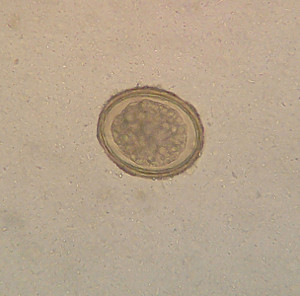
Next, there will be a fecal flotation solution poured on the stool sample that will cause the eggs of the hookworms to rise to the top. Since the hookworm eggs are shaped so differently from other parasites, and the fact that they lay hundreds of eggs a day, they are very easy to detect once they rise to the top.
Just because there are hundreds of eggs doesn’t mean that there are hundreds of hookworms because it takes the eggs several days to hatch, therefore the actual number of worms will be significantly less.
Treatment for Hookworms
 Kittens are routinely treated for worms during their initial vaccination and booster schedule. There are multiple medications that are available to treat hookworms. They will have to be administered in intervals because they cannot exterminate them at the larval stage.
After the first treatment, the second round will come anywhere from two to three weeks after the initial treatment to kill any adults that were developed after the first dosage.
Two of the most popular treatment medications among veterinarians are Revolution and Advantage Multi. There are some rare side effects that may occur when using Revolution such as:
[unordered_list style=”green-dot”]
- Temporary hair loss where the medication was applied
- Loss of appetite due to upset digestive system
- Vomiting
- Diarrhea
- Drooling
- Rapid heart rate
- Heavy breathing
- Muscle tremors
[/unordered_list]
Both Revolution and Advantage Multi are topical medications that are applied at the back of the neck so your cat can’t lick it away. It enters the blood stream through the skin and kills the parasites since they feed off tissue and blood.
Tips for Prevention
Proper prevention for hookworms starts early on when your cat is just a kitten. For kittens, there needs to be preventative care more frequently because kittens are at higher risk for infection. Also, if you have more than one cat, you want to get them all dewormed at the same time. Therefore, the worms don’t spread.
Treatment should be every two weeks until your cat is about three months old. Once they are at least three months old, then you should move from every two weeks to every month. Consistent fecal examinations are extremely important as well. It ensures that if your cat does manage to get hookworms, they will be treated immediately. Once every three to six months is standard until your cat is one year old. Once your cat is at least a year, then you may reduce the number of examinations to once every six to twelve months.
Another very important and easy way to help prevent hookworms is to ensure that your cat has a sanitary environment at all times. If your cat defecates outside make sure to pick it up quickly. Frequently clean your cat’s litter box to prevent stool from piling up.
Also, place clean water for your cat every day and don’t let their food sit out overnight. Just by following these preventative measures you can drastically reduce the chances of hookworms in your cat.
Thanks for visiting www.catdandruffclinic.com, if you liked this article please like us using the side bar . [hr]
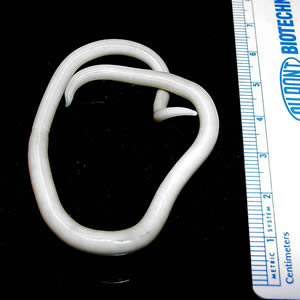
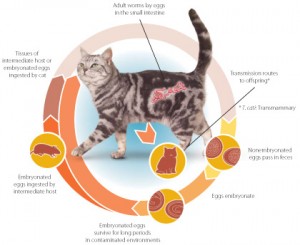 Infection occurs a number of ways. The most common means of infection for kittens is by ingesting larvae by way of their mother’s milk. The larvae travel to the mammary glands where they are passed to the kittens. Infection also occurs by ingesting roundworm eggs which then hatch into larvae, or eating a host such as a rodent, roach or earthworm.
 Some signs and symptoms may only present themselves with heavy infections. Some things to look out for are:

 Deductibles are very important; you want to make sure that you have an affordable deductible that will pose no problem for you to pay in case an emergency does happen.

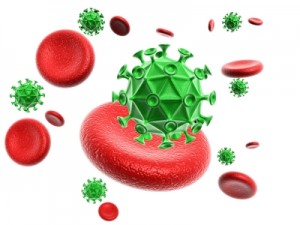 The two normal and extremely vital functions of the lungs are called ventilation and perfusion. Ventilation is the intake of oxygen from the surrounding air. Perfusion is when blood flows to the lungs, picks up the inhaled oxygen and delivers it into the system by way of circulation. Carbon dioxide, which is produced in the cat’s cells, is then exchanged for the fresh oxygen. Finally, the carbon dioxide is expelled by exhaling. Pneumonia occurs when this vital process is disrupted. There are two types of pneumonia with different causes.

 You would be doing so many pets a favor by adopting from shelters instead of buying them from pet shops. Pets in shelters are most likely to be rescued from the streets as well as unworthy homes. They so desire to have a place to call home and belong.
 Animal shelters could never have excess help in terms of volunteers. There are different ways that one could offer their help to pets.
 If you happen to stumble upon a nice animal shelter or information that can help save pets, you can spread the word on your website or by creating your own website. You website can be a place to display your family adventures and showcases those precious Pet moments that goes viral online. Or this might also be a great way to teach people how to care for their pets and how to train them.
 Community policing begins with you especially when it comes to saving pets. You can be your neighbor’s pet keeper by having a close eye on how they treat their animals.











 Primarily, the virus attacks the gastrointestinal tract lining. This causes ulceration and shedding of the intestinal tissue. The most common signs include: