Author: CDC

  • Supporting your Feline with Cat Arthritis

    Supporting your Feline with Cat Arthritis

    In our last post we looked at Thyroid Problems in Cats. Today Arthritis takes the stage. As your feline ages, a certain degree of joint stiffness is to be expected. It is estimated that approximately three out of ten cats age 12 and above suffer from some form of arthritis. If you notice that your cat is having difficulty with normal everyday movement, it could be that your little friend has arthritis. There are many different types of cat arthritis, and only your vet will be able to determine if/what type your cat may have.

    Let’s start by taking a look at the many different types of arthritis and how they may affect your precious one.

    Types of Cat Arthritis

    [unordered_list style=”tick”]

    • Bacterial Arthritis-this type of cat arthritis is generally caused by a bite wound. Bacteria infects a joint (which can spread other joints in the body) which causes the arthritis. Early detection is imperative since permanent damage can result if left alone.
    • Arthritis caused by Calicivirus Infection-most commonly this virus causes respiratory problems, but is also known to cause joint inflammation that can result in lameness. Once treated and cured, most felines recover completely.
    • Progressive Polyarthritis-generally only affecting young to middle aged male cats, it affects multiple joints throughout the cats body and is caused by an erosion of the cartilage.

    [/unordered_list]

    The above conditions do occur often, but the most common type of cat arthritis is osteoarthritis. It occurs in joints that have been unduly stressed, injured, near fractures and dislocations. When the cartilage erodes, new cartilage is made but may be irregular in shape. As your cat ages, over time what was once a smooth surface becomes rough and painful. Obese cats are especially prone to osteoarthritis since it places a much greater strain on the joints. The hip, shoulder, elbow, and ankle are generally the most affected joints, but all joints are susceptible (even the individual joints between the vertebra in the spine).In the majority of cases your vet will need to order blood test as well as x-rays (which usually shows a narrowing of the joint and/or increased bone density near the joint) to determine which type of arthritis is the culprit.

    Now that we have discussed several of the different types of cat arthritis that are out there, we should take a look at some of the warning signs to watch out for.

    Symptoms

    Depending on the severity of the arthritis your feline friend may show no outward signs of any trouble. You may notice little things (after all, no one knows your kitty as well as you do) that can be an indication of problems. Changes in your cat’s behavior and appetite, seeking our places to be alone or warm/soft places to rest, and licking/biting joint areas excessively can be some of the less obvious signs.

    While most of the time testing as noted earlier on is required to diagnose arthritis, there are a few common signs to look for:

    [unordered_list style=”tick”]

    • Stiffness-less fluid movement than normal, every move seems rigid.
    • Limping-favoring a limb and avoiding pressure on it and/or having difficulty arising, especially after sleeping or periods of being still.
    • Muscles in the affected limbs may become smaller from lack of use as your cat tries to avoid pain.
    • An altered gait-a different set of movements while walking than normal.
    • Jumping or climbing stairs appears to be difficult or painful.

    [/unordered_list]

    None of these symptoms are by any means life threatening, but they can affect your cat’s quality of life. Without treatment, they will normally get worse as time goes on.

    Treatment

    There is currently no known cure for arthritis, but proper treatment can greatly reduce the problem. Depending on the type and severity of your cats arthritis, the veterinarian could recommend one or a combination of the treatments listed below.

    Weight reduction. As noted earlier, excess weight causes undue stress on your cats joints. Light exercise, dietary supplements, and diet cat food may be recommended.

    Medications. First of all, never give your animal human over-the-counter medications unless directed by your vet. Some of these can be toxic, even fatal. The most common medications prescribed will relieve pain and inflammation. Omega fatty acids, glucosamine, chondroitin, sulfates, and MSM are the most prevalent.

    Making your house arthritis friendly by implementing some or all of these suggestions:

    [unordered_list style=”green-dot”]

    • Keep food and water dishes raised slightly for easy access.
    • Use a low rise litter box.
    • Seal off cold/damp areas and keep your cat away from them.
    • Make his/her favorite place easy to access with stairs or a ramp to prevent jumping.
    • Provide a warm place for your cat to sleep with a heated bed or heating pad.

    [/unordered_list]

    Prevention

    Even though arthritis is a normal part of aging, a few simple steps can help prevent or ease the severity. The best step you can take is to maintain a proper weight for your cat. Encouraging and helping your cat exercise can also help avoid/alleviate inflammation. Lastly, as much as is within your power, be cautious and try to avoid injuries.

    Genetics do play a huge role in cat arthritis, but with a few simple steps you can drastically reduce the risk or severity for your little one. In our next article we look at Our Top Picks for Fighting Feline parasites.

    Thanks for visiting, if you liked this article please like us using the side bar social buttons.

    [hr]

    Related Posts:

    [related_posts limit=”3″]
    Image courtesy of Grant Cochrane / FreeDigitalPhotos.net
  • Dealing with Thyroid Problems in Cats

    Dealing with Thyroid Problems in Cats

    In our last article we looked at Ringworms in Cats. Today the focus is on cat thyroid issues.

    Cat thyroid problems are a seldom heard of, yet common disease. We all love our little feline friends and want them to live long and healthy lives. While there may not be any catastrophic evidence, as a pet owner we know when something just isn’t right. First, let’s take a look at the two major types of cat thyroid problems and their symptoms.

    Hyperthyroidism

    Hyperthyroidism is by far the most common glandular disease among felines. It occurs when the cats thyroid produces too much of hormone (thyroxine, also known as T4) and is usually found in cats from 10-14 years old. This over production causes the cat’s metabolism to skyrocket, thus overworking all the other organs. Take the heart for example, hyperthyroidism can cause it to beat extremely fast causing problems with the heart muscle itself, and if untreated can lead to heightened blood pressure.Some of the symptoms of hyperthyroidism are:

    [unordered_list style=”tick”]

    • Weight loss: If left alone not only will your cat lose fat, but also valuable muscle mass.
    • Excessive thirst and urination. The high metabolic rate will cause the cat to be thirsty and the kidneys to be hyperactive.
    • An ‘un-kept’ appearance. You cat’s fur may lose it’s luster and shine and dry skin may cause excessive dandruff.
    • Vomiting and diarrhea sporadically.

    [/unordered_list]

    Hypothyroidism

    The opposite of what we just discussed, hypothyroidism is caused when the thyroid produces too little thyroxine and metabolism slows down drastically. Hypothyroidism is not as common and is often caused by treatment for hyperthyroidism bringing thyroid production to low.

    When concerned that your cat may have hypothyroidism, look for the following:

    [unordered_list style=”tick”]

    • Weight gain, even though he/she is eating normally.
    • No energy/desire to play.
    • Noticeable loss of appetite.
    • Fur in poor condition and dry skin/Dandruff.
    • Constipation.
    • Not tolerating cool temperatures.

    [/unordered_list]

    These are just a few of the symptoms to look for if you are concerned your cat may be experiencing thyroid problems. It is not an all inclusive list, and many of the syptoms are common with other diseases as well (diabetes, heart disease, etc.).

    Does Your Cat Have Thyroid Problems?

    The only way to know if your cat has a thyroid problem is to have it checked by a vet. A blood test as well as checking the thyroid gland in the neck for swelling will help determine if treatment is needed.

    How are Cat Thyroid Problems Treated?

    Depending on evaluation results, your vet may choose one or more of the following options. Each has their advantages and disadvantages.

    [unordered_list style=”green-dot”]

    • Medication. The most common treatment, this will get your cat’s thyroid levels where they should be in a matter of weeks. However, daily medication is usually required for the remainder of your cat’s life.
    • Surgery. This option will remove the affected thyroid gland (your little ball of joy has two) since a high percentage of cases are caused by a tumor. Anesthesia can be a problem though, since this disease affects older cats that may have other conditions as well.
    • Radioactive Iodine. An injection is placed under your cats skin. The medicine concentrates in the thyroid gland and destroys the tissue causing the problem. It is a one time treatment, but can be pricey to the tune of near $1000. Also, the radioactive medicine can be hard on an older cat’s kidneys.

    [/unordered_list]

    How to Prevent Cat Thyroid Problems

    There are no guaranteed ways to prevent your cat from thyroid disease, but there are a few steps you can take to reduce the risk. For starters, keep your cat on a healthy diet and good supplements/vitamins throughout their life. The less the amount of exposure to household cleaning chemicals, antibiotics, x-rays, and food preservatives the better. With a little bit of extra love and caution in these areas you can greatly reduce the likely hood of your furry friend succumbing to thyroid problems.

    In our next post we focus on supporting your Feline with Cat Arthritis.

    Thanks for visiting, if you liked this article please like us using the side bar .
    [hr]

    Related Posts:

    [related_posts limit=”3″]
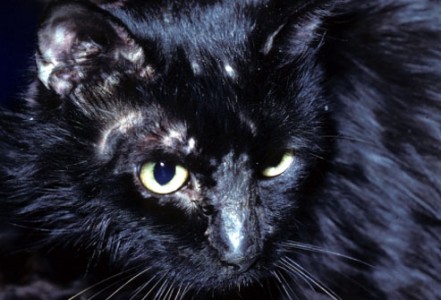
    Image courtesy of Willem Siers / FreeDigitalPhotos.net
  • Ringworm in Cats: Causes, Preventions and Cures

    Ringworm in Cats: Causes, Preventions and Cures

    In our last article we looked at Cat Fleas and Ticks. Today we focus on ring-worms. Many think that if a cat doesn’t go outside it won’t get ringworm, however, any cat can get ringworm. The reality is that kittens (those under a year of age) and elderly (geriatric) cats are the most susceptible to ringworm followed quickly by long haired pets and immunologically compromised pets. The condition can spread like wild fire so it is important to keep it in check. This is why, shelters and other crowded conditions tend to compound the situation. Ringworm likes warm and humid environments so it’s important to take preventative measures to prevent infestations.

    What is Ringworm?

    The word ringworm (Dermatophytosis) conjures up a picture of a round shaped worm, in fact, ringworm isn’t a worm at all but rather, a fungi infestation that generally attacks skin, hair and nails presenting itself in a roundish shape with a reddened center area.

    The Different Types of ringworm

    Although there are actually three different kinds of ringworm in cats, the most common one presenting itself in cats is called Dermatophyte Microsporum canis (M canis).

    What Are The Symptoms of Ringworm?

    Typical symptoms of ringworm in cats are skin lesions which appear on their head, ears or forelimbs. If left unchecked, feline ringworm can cause bald and flaky patches of skin with a red center. Milder cases may only have a local red area or even dandruff. Infections left unchecked can in time spread over kitty’s entire body. Note that many pets may carry ringworm without showing any symptoms at all.

    How does a Cat Get Ringworm?

    Some of the most common ways your cat can contract Ringworm are:

    [unordered_list style=”arrow”]

    • Transmitted through contact with an animal that already has the condition.
    • If purchasing used pet bedding always make sure to launder said bedding as the fungi spores can live on the bedding for over a year.
    • Used pet dishes and other pet toys can also harbor the hardy fungi spores.
    • Through contact with affected Humans.

    [/unordered_list]


    What Treatments are Available for Feline Ringworm?

    Shampoos

    If the owner doesn’t mind the smell of rotten eggs, a shampoo may be purchased for ringworm in cats. Dips or shampoos should be done twice weekly either at home or at the veterinarian’s office. It’s important to note however, that the shampoo has lime sulfur in it and will stain jewelry, clothing and may turn kitty’s hair a yellow tone. If this treatment is done for feline ringworm make sure to get exact instructions from the veterinarian for mixing it up prior to application. Also it’s important to be aware that the shampoo may need to be left on your pet for a length of time for it to be effective.

    Oral antifungal agents

    Generally Shampoo treatment will cure most of outbreaks, however and oral anitfungal agent may be recommended if topical therapy does not work after 4+ weeks of treatment. Itraconazole or Terbafine are preferred agents.

    Griseofulvin

    Ringworm in cats can often be treated with Griseofulvin. This anti fungal medication isn’t without side effects however, so discussing all of the possible reactions and side effects should be done prior to administering the medication. The purpose of this medication is to inhibit the fungi’s ability to reproduce.

    Ringworm Vaccine

    While there is a vaccination available for ringworm, it is only effective against one strain of feline ringworm so it may not work for the type of ringworm your kitty has. A quick check with your local veterinarian may readily answer this option of treatment.

    Prevention

    Can feline ringworm spread to other cats and owners? The answer is a resounding yes. Every care should be taken to treat ringworm in cats as soon as possible. Make sure to use infection prevention techniques and wash all of your precious pets bedding, food dishes, toys (remember, the fungi can linger on toys and bedding for over a year so if the toy can’t be washed, it must be tossed) and other surfaces kitty lounges upon.

    Using a solution of one part bleach to 10 parts water will kill over 80 percent of the ringworm spores. Carpets and furniture should also be steam cleaned whenever possible to prevent further infestation. This solution can also treat bedding, baskets and other surfaces kitty plays on.

    Remember if your pet is infected you should separate kitty from other pets by confining him or her to his very own room/space until the medication takes effect. When kitty is able to rejoin the family remember to disinfect the room he or she was confined to so that no one else is infected.

    Always check with a veterinarian before diagnosing any skin condition on your pet.

    Ringworm in Cats and Dogs

    Ringworm in Cats and Dogs with Dr. Andrew Jones DVM


    In our next article we focus on Dealing with Thyroid Problems in your cats.

    Thanks for visiting the Cat dandruff Clinic, if you liked this article please like us using the side bar .

  • Cat Fleas and Ticks: Effect, Treatment and Prevention

    Cat Fleas and Ticks: Effect, Treatment and Prevention

    In our last article we looked at Overweight Cats, today we look at External parasites. Fleas and ticks are one of the most annoying pests for cats. The Cat Fleas and Cat Ticks sole purpose is to survive and the way they do this is by feeding on the blood from your pet. These bites can cause irritation and itching on the cats tender skin. In extreme cases your cat will sometimes lick an area until there is no longer any hair there (a bald spot), this leaves the tender skin exposed to infection and other irritation.

    What are Cat Fleas and Cat Ticks?

    Cat Fleas (Ctenocephalides felis) are wingless, external parasitic insects that can jump very high. They have six legs and will not only infest your cat, but they will also infest furniture, carpeting and even you.

    Ticks (also external parasites) on the other hand have eight legs and are considered arachnids (spiders).  A tick will latch on to the cat and suck the blood until it gets its fill. At this point a tick will usually drop off of the cat leaving an irritation where it has bitten your pet.

    How do Cat Fleas and Cat Ticks Affect Kitty? 

    There are many effects that  fleas and ticks have on your cat. Some of these include:
    [unordered_list style=”arrow”]

    • When fleas and ticks inject saliva into kitty’s tender skin they often cause an allergy to form. A typical example of this would be flea allergy dermatitis. If kitty has this he or she will often scratch and bite and eventually lose his or her hair in that area.
    • In extreme cases, another danger is if kitty becomes Anemic (a condition where the blood lacks enough healthy red blood cells or hemoglobin) from infestation. Cats can actually become anemic and die if they have a heavy case of Cat Fleas or Cat Ticks.
    • One species of tapeworms can also be transmitted via fleas to cats.
    • Cat Ticks can transmit anaplasmosis, tularemia and cytauxzoonosis (a very lethal condition that involves a blood parasite that currently has no effective treatment) when they bite kitty.
    • Finally ticks also can pass lyme disease to your cat, however cat seem appear to be immune.

    [/unordered_list]

    Treatments

    There are several ways to help control Cat Fleas and ticks on your cat, these include:

    [unordered_list style=”tick”]

    • There are flea sprays and mists which can be sprayed directly on kitty to kill any fleas that are currently attacking you pet. The sprays and mists are said to also repel fleas if they aren’t currently infested.
    • Your veterinarian can also give your cat a pill that when the flea ingests the blood the IDI lufeneron in the pill stops the flea from producing eggs. Unfortunately, this doesn’t address the current infestation of fleas.
    • Fleas can also be controlled with foams, powders and a monthly application of a liquid between kitty’s shoulder blades. It’s quick, painless and simple. Simply open the vial and gently massage into kitty’s skin between shoulder blades. These are readily available at local veterinarian clinics.
    • Finally a good bath and treatment with a Flea and tick Shampoo will kill on parasites on contact and will often also kill any eggs for an extended period.

    [/unordered_list]

    Prevention

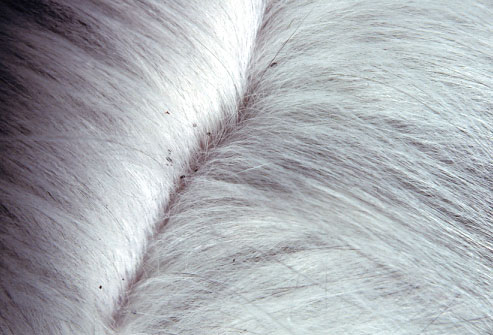
    To prevent fleas and ticks one should check kitty daily (do a visual inspection and if in doubt, put kitty on a white pillow case and gently comb his or her hair out. Check the white pillow case for black specks) especially if kitty goes outside. Keep your furnishings vacuumed (helps suck up eggs and fleas that fall off of kitty) and make sure to get all the nooks and crannies where your cat likes to hide and play.

    Wash your kitty’s bedding frequently and if kitty has had a flea or tick infestation be sure to use appropriate spray on bedding.

    Always remember to check with your veterinarian before using any product on your precious pet. In our next article we look at Ringworm in Cats.

    Thanks for visiting the Cat dandruff Clinic, if you liked this article please like us using the side bar .

    [hr]

    Related Posts:

    [related_posts limit=”3″]
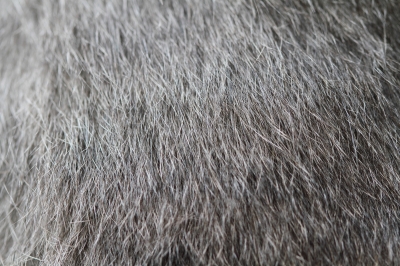
    Image courtesy of kibsri / FreeDigitalPhotos.net

  • Overweight Cats: Causes, Risk and Treatments

    Overweight Cats: Causes, Risk and Treatments

    In our last article we looked at giving your cat a bath. Today we look at the impacts of having an obese cat.

    Everyone’s seen really huge cats and wondered, is that really healthy for a cat or is that a classic case of being overweight? According to a 2008 survey by the Association for Pet Obesity Prevention, an estimated 57 percent of cats are considered overweight or obese. The truth is, overweight cats are an epidemic.

    So how do you know if your cat is overweight?

    With so many overweight cats it’s important to know how to test if your cat is obese. While everyone thinks a chubby kitten is cute the health risks can be serious.

    [unordered_list style=”tick”]

    • To check and see if a cat is overweight gently pick kitty up and verify you are able to feel the ribs with just a slight fat pad on them. If there is more than a slight fat pad on your cats ribs, this will be your first indication that they might have weight issues. It may be time to start considering a bit more exercise and a bit less food for kitty.
    • Another method is to observe your cat from above, and look for a defined waistline. Can the waist be seen from the side angle as well? If not, kitty could be overweight. There should be no fat pads over the shoulders and if the skin is picked up say at the nape of the neck there should not be any thick fat deposits felt underneath the skin.
    • Finally, the top from the backbone to the back of the head should not feel too thick or too thin either, it should feel just right, well muscled and not overly prominent.

    [/unordered_list]

    These are some of the few method to assess your takes weight, if your are unsure and need a second opinion, bring it up at your next vet visit.


    What is the ideal cat weight?

    The answer to what overweight cats should weigh will depend a lot upon the breed of cat owned. If one owns a Domestic cat the average weight should be between eight and 10 pounds. A Persian cat should weigh between seven and 12 pounds. Siamese cats will average between five and 10 pounds and a Maine coon will be between 10 and 25 pounds.


    Main Causes of cat obesity

    There are three main causes of overweight cats.

    [unordered_list style=”tick”]

    • A Lack of exercise is the leading cause of obesity in indoor cats. Indoor cats don’t go out mousing around as outdoor cats do. They don’t have the opportunity to explore, climb trees and chase after things while getting plenty of fresh air and exercise.
    • Another leading cause of obesity in cats is a diet that that is too high in carbs. Many veterinarians prefer a canned cat food over dry kibble for this very reason. A measured portion (read the feeding instructions either on the canned food or on the side of the dry kibble bag) and follow them closely. Even if kitty begs and pleads for more (and most of them will) don’t give in to temptation. Just like healthy humans there is a reason for portion control.
    • Free feeding (having food always available) is another reason for overweight cats. Pet food companies make pet food delicious and it’s only a natural instinct to want more and more of something that is delicious. Since kitty can’t read and follow the feeding instructions, it’s up to the owners to do it for them.

    [/unordered_list]

    Finally don’t discount those treats :). Many owners feel it is necessary to give kitty treats in addition to their daily food. Just as in humans, treats are fine in moderation, but when kitty is begging for treats on a frequent basis and you give in, you run the risk of having weight issues.


    Risks and issues to having overweight cats

    Just as in humans, the health risks associated with being an overweight cat are very real and should be taken seriously:

    [unordered_list style=”tick”]

    • Overweight cats can struggle with skin disorders from not being able to self-groom. Kitty needs to be able to groom under the tail and in the arm pits in order to have healthy skin. When your cat can’t groom properly, their skin can become infected and irritated. For more information on this please review our Cat Dandruff post.
    • Poor diets and too much of a good thing can cause diabetes. A diabetic cat (Diabetes Mellitus) will have a shortened life span and require a special diet that is closely monitored. They will also need to see the veterinarian a lot more frequently. This is a serious condition that will change the quality of your cat life.
    • Extra weight can also cause Arthritis and increase the risk of hepatic lipidosis (Feline fatty liver syndrome). Also if your cat were to require any surgical procedure, there will be an increase in the amount of anaesthetic that needs to be administered and this can present a serious problem for the surgeon. Lastly, kitty may have a seriously shortened life span if he or she is overweight.

    [/unordered_list]


     What are the treatments options for overweight cats?

    To begin with, an overweight cat should be seen by a veterinarian. A complete health exam should quickly determine how overweight the cat is and what steps to take to treat and prevent the obesity issue.

    The Best Cat Diet for kitty should be no more than 200 calories per day. That’s right, 200 calories. It doesn’t sound like very many and in truth, it isn’t. That’s why so many pet owners are guilty of feeding kitty too much. An eight to 10 pound cat shouldn’t be getting over 200 calories in their daily diet. Go back to that bag of kibble and re read the serving size and stick to it. If kitty seems hungry at night give them a portion in the evening and a portion in the morning. Breaking up feeding’s will often help kitty to control his or her weight.

    Your pet needs an exercise program, so why not make it fun. For indoor kitties this could include a bouncy ball to toss for kitty to chase. A laser light beam is another ideal “toy” that the owner can use on a wall or on the floor and entice kitty to chase it. Build kitty a climbing tower out of carpet remnants and blocks of wood. Create an obstacle course to get to their food dish. Give kitty a box and an old ping pong ball to bat around. A creative owner will come up with many great ideas to get kitty to move around more and play.

    Overweight cats didn’t become overweight overnight and they won’t lose their excess weight overnight. If it took kitty a year to gain all that weight, it could very well take kitty a year to lose the excess weight. As an owner your job is to help them get health and stay health, that way you can both enjoy each other’s company.

    In our next article we look at the two major external parasite (Cat Fleas and Ticks) that drives every cat owner insane.

    Thanks for visiting the Cat dandruff Clinic, if you liked this article please like us using the side bar .

    [hr]

    Related Posts:

    [related_posts limit=”3″]
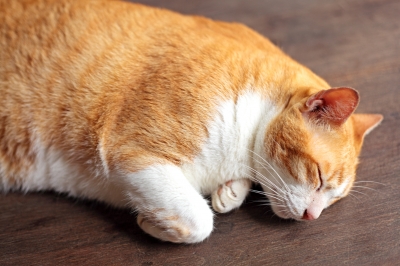
    Image courtesy of Keattikorn / FreeDigitalPhotos.net

  • How to Bathe Your Cat

    How to Bathe Your Cat

    Today we look at how to give your cat a bath.

    Be it after a long day out in the woods or after playing outside after the rain has turned the ground muddy, sometimes your cat needs to have a good old fashioned bath. “But wait,” you ask. “Cats and water are sort of like that proverbial mixture of oil and water: They don’t mix.” Well, I am here to tell you there are ways you can give your cat a Cat Bath and even have them like it.

    Self Cleaning

    First let us talk about the “Natural Bath”. Cats give themselves a good “self-cleaning” (when they use their tongue to lick themselves clean). As you know this requires zero effort on your part and it is great for your pet to self groom. however there are times when it may become difficult to self-groom properly ( if your pet is sick, or or in pain).  If your cat spends all day outdoors and then at night it will make itself’ at home inside, then self-cleaning is probably not the best method to ensure your cat health. Developing a routine Bath schedule is critical to maintaining good health for you pet.

    Cat Wipes

    If you still dread the thought of cleaning your cat, another alternative is to use cat wipes. This tends to be a less evasive and traumatizing method for your pet. These will make your cat a lot cleaner then if it used its’ tongue. And this is a great method to get your cat use to the idea of taking a bath. A lot of pet owners alternate this method with a regular bath routine to ensure Dandruff and other cat skin  issues do not occur.

    The Full Bath

    [unordered_list style=”tick”]

    • First and most importantly MAKE SURE YOUR CAT HAS ITS’ CLAWS TRIMMED. You will save yourself a lot of serious scratches if you make sure your cat has the claws clipped.
    • Secondly, be sure to wear a long sleeve sweatshirt and/or gloves, to make sure your cat doesn’t scratch any skin. If this is the first time giving you pet a bath you must understand that your cat will probably take the bath the same way you would take somebody throwing cold water on you.
    • Next you should examine your cats body and make sure it does not have any injuries or redness to the skin. This is critical because you want to make you cat has comfortable as possible. You don’t want to accidental irritate your pet.
    • Next you should lightly brush your cat with a grooming comb to remove any loose hair. This should relax your pet a bit and prepare them for the hardest part of the bath…”water”.
    • Next place your cat in a tub (or cat tub bath if you have one). When your cat is in the tub, hold them gently and soak them from the neck down. Talk to your cat in a nice calm quiet voice as this will keep them from being jumpy.
    • Next gently rub shampoo on the cat before rinsing the cat with a bucket of water, making sure not to get any on their head or in their ears. Gentle massage the shampoo into there coat, ensure that hidden areas get lather properly.
    • After this, rinse two more times and then take your cat out of the bath. Using a towel, gently press around your pet, rubbing as gently as possible to get as much water out as you can. If your cat has short hair, after you get the majority of the water up, you can let the hair air dry. If your cat is a longhair breed, keep up with the towels. When you are finished with their Cat Bath, make sure you reward your cat with a treat, for a job well done.There are a few ways to make bathing more pleasurable to your cat. The simplest and quickest method that I would suggest would be at each stage of the bath that you give your cat a treat, finishing the bath with their favorite. Its important to maintain your pets health and a regular bath is part of that process. Enjoy the time with your pet and they will soon be begging you for a bath 🙂

    [/unordered_list]

    The Best Cat Bath Video You Will Ever Watch

    Helpful Tips 1- Start bathing your cat when s/he is very young 2- Establish a bath time ritual: set up the instruments beforehand (shampoo, towel,water, brus…

    In our next article we look at the impacts of having a Overweight Cat.

    Thanks for visiting the Cat dandruff Clinic, if you liked this article please like us using the side bar .

    [hr]

    Related Posts:

    [related_posts limit=”3″]
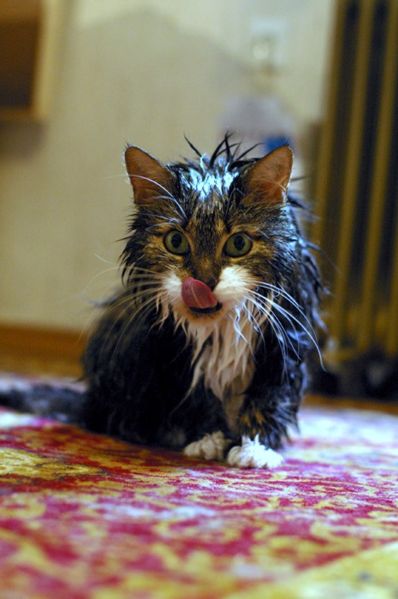
    image by wikihow

  • Cat Dander Allergies: Causes and Treatments

    Cat Dander Allergies: Causes and Treatments

    In our last post we took a look at the Top Cat Skin Disorders You should Look Out For as a cat owner. Today we look at Cat Dander and its affects. So what exactly is cat dander and what causes cat dander allergies? In the simplest terms cat dander is dead skin cells that have came off your cat in the process of everyday activities. Tiny particles, about 1/10 the size of a dust mite, are released from your cat through various activities (petting, scratching, rubbing against items, etc.) and it is impossible to see them with the naked eye.

    Most people who suffer from cat dander allergies are actually having a reaction to a protein compound in the dander called Fel D1. This protein is produced in glands below the skin as well as in the saliva. Thus, when a cat cleans itself the saliva gets on the skin and causes a double dose of the reactive protein. The immune system of those sensitive to this protein go into overdrive when it’s presence is detected. A histamine is produced in mass quantities, causing several symptoms to occur.

    A few of the symptoms of those who suffer from cat dander allergies include:

    • Eyes that are red, itchy, watery, or swollen.
    • Nasal congestion with a “runny” nose or/and sinus pressure
    • Itch nose or throat that persist for several days.
    • In extreme cases, hives may break out all over the body and have an itchy, burning sensation.

    Studies indicate that male cats produce more dander than females, and those that have not been altered to inhibit reproduction produce more than those that have. While a way has not been found to permanently eradicate cat dander, there are a few simple things you can do that will remove a lot of the dander from your home.

    Simple Steps to Keep Cat Dander at a Minimum

    1. Use a quality air filter. Since cat dander is small enough to float in the air, a quality whole house HEPA air filter will catch it before it has time to settle.
    2. Clean your cat’s bedding and cover the litter box. Dust away your bed sheets regularly, our kitty beds should be cleaned of buildup dead skin as well.
    3. Bathe your cat often. A quality cat shampoo will help remove the dead skin, and while it is wet it will go down the drain instead of into the air.
    4. When dusting furniture, use a wet cloth. Dry cloths will release dander back into the air.
    5. Drapes, curtain, rugs, upholstered furniture should be deep cleaned regularly.

    Medical Treatments for Cat Dander Allergies

    There are a few ways to combat cat dander allergies, and your doctor will know which ones will work best for you. There are many over the counter medications that act as decongestants and histamine blockers, but these generally just mask the symptoms and leave the root cause unaffected.

    Allergy shots and the synthetic epitope vaccine are a more reliable solution. Allergy shots can sometimes completely remove the allergy symptoms, they can sometimes take months or even years of doses to take effect. On the other hand, synthetic epitope vaccines show results in one or two doses and can alleviate symptoms for up to a year in some cases.

    Even though the claims have not been solidified by the scientific community, there are several companies that offer hypoallergenic cats. If you have deep enough pockets (prices range from $3,000 USD-$30,000 USD) you can purchase one of these grown cats that are trained and ready for indoor living.

    Find a way that works for you to combat feline allergies and enjoy every minute you are near your pet!


    Thanks for visiting the Cat dandruff Clinic, if you liked this article please like us using the side bar .

    [hr]

    Related Posts:

    [related_posts limit=”3″]

    Image courtesy of marin / FreeDigitalPhotos.net
  • Top Cat Skin Disorders To Look Out For

    Top Cat Skin Disorders To Look Out For

    Cat Skin disorders affect many cats whether they are indoors or outdoors. There are many different forms of cat skin disorders and most require a visit to the veterinarian to identify exactly which skin disorder is affecting your cat. There are a wide variety of immune-mediated skin disorders along with hereditary and developmental skin diseases and cutaneous manifestations of internal diseases) all of which can be caused by many different types of medical conditions in your cat.

    Feline Acne

    Feline AcneFeline Acne affects many cats. Although the exact cause of feline acne is unknown, many veterinarians suspect it may be caused by using plastic food dishes, stress, poor grooming habits and food allergies. Presenting itself as black spots on the chin and or the lips and often mistaken for dirt. Skin may become irritated with swollen red pustules that may bleed if irritated. The best treatment is to use metal, glass or ceramic food bowls and wash kitty’s face after each feeding.

    Bacterial Infections

    Bacterial Infections may be caused by any of the infections below. Any infection should be checked by a veterinarian and treated as soon as possible in order to prevent further infection.

    Yeast Infections

    Yeast Infections are one of the most frustrating cat skin disorders to affect cats. Presented with red, inflamed, smelly skin, yeast infections can lead to hair loss, acne and dandruff. Yeast infections can affect ears, anal sacs, rectal areas as well as vaginal areas.

    If a yeast infection is suspected take your cat to a veterinarian for a firm diagnosis. Usually treated with medications and shampoos your veterinarian will know exactly what to do. Wash all bedding frequently to remove all traces of yeast.

    Ringworm

    Ringworm, another of the common cat skin disorders, is a highly infectious skin disease caused by microscopic parasites. Ringworm is identified by round patches of hair loss usually on the head or legs. There may be grey patches with redness and itching as well as dry flaky skin.

    If diagnosed with ringwork your cat will need to be treated as well as his environment. If there are other cats in the household all cats must be treated. A veterinarian will prescribe an anti fungal medication to be applied to the cats skin.

    Sporotrichosis

    Sporotrichosis, a fungus with the ability to infect skin, respiratory  bones, and occasionally the brain, causes a distressed state in the cat. Skin will be irritated and look similar to other skin conditions described below. Originating out of doors, the fungus is found in dirt, plants and mosses. It can also be passed on zoonotically (from human to animal and back).

    Always make sure to wash hands thoroughly after gardening to help prevent transference of this fungus. A visit to the veterinarian will examine skin and hair to see if the fungus is present. Hospitalize may be required for initial treatment and then the veterinarian may provide outpatient therapy for a few more weeks. Antifungal drugs are used to treat this condition.

    Allergic Dermatitis

    Allergic dermatitis - Cat Dandruff ClinicAllergic Dermatitis can present itself with many symptoms similar to other skin conditions. Itchy patches, thinning hair due to licking, acne, red bumps and a foul odor can all indicate allergic dermatitis. If the condition persists a visit to the veterinarian is in order.

    The veterinarian will examine the cat and perhaps take some skin and hair samples to look at under a microscope. The causes can be anything from a food reaction to a parasitic infestation. Once your veterinarian diagnoses the cause treatment can begin with either antibiotics or ointments or both. If it’s a food allergy, a diet change will also be in order.

    Shedding and Hair Loss

    Shedding and Hair Loss (Alopecia) is one of the cat skin disorders that may be difficult to diagnose. Usually causing patches of hair loss, the area of hair loss may indicate the underlying cause. Frequently accompanied with skin irriation and red scaly skin a veterinarian may have to take some skin samples and fur samples or test your cat for any allergies. Once your veterinarian knows the cause of the hair loss, he or she will be able to treat the condition accordingly.

    Parasitic Diseases

    Fleas on cat

    Fleas and Lice

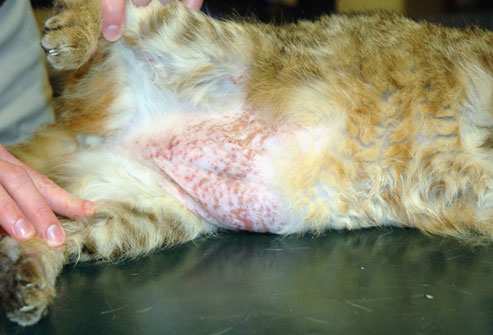
    Fleas and Lice may cause a dermatitis (hypersensitivity to flea bites) on your cats skin. It is one of the most common cat skin disorders. Caused by a flea bite the cat may frequently scratch or bite himself through his fur.

    Usually on the back or the base of the tail. There may also be raised scabs or bumps on the cats skin. Wash all bedding, eliminate fleas from kitty’s environment. Treat skin infections and if they become infected see a veterinarian for an antibiotic. There are many topical solutions, shampoos and antihistamines that a veterinarian may prescribe for your kitty to reduce symptoms.

    Ear Mites

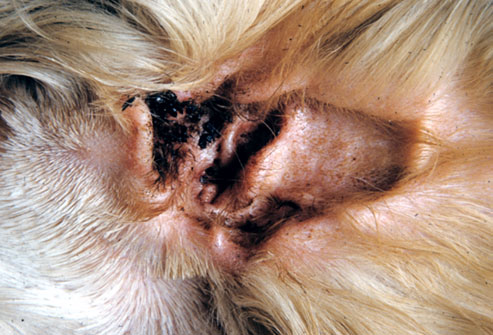
    feline_earmiteEar Mites, another infectious skin disease, have cats shaking their heads. These parasitic creatures, no larger than a pin point, thrive in the ear canals on the moist environment.Frequently spreading to the skin, back, neck and tail, they multiply rapidly and are very contagious. Left untreated, they can cause bacterial and fungal infections.

    In rare cases they may cause a ruptured eardrum and hearing loss. This is one of the cat skin diseases most often found in kittens due to their lowered immune system. However, ear mites can affect cats of any age. A veterinarian will prescribe a liquid to be massaged in the ears daily for a week or so. A secondary visit to the veterinarian will be required to double check. As in fleas and lice, wash all bedding frequently.

    Others

    Feline Stud Tail

    Stud Tail

    Stud Tail will present with a waxy brown substance on the cats tail at the base. Treatments with special shampoos twice daily will usually prevent this condition. Corn starch and baby powder applied to the tail after shampooing will also help to alleviate the condition.

    Eosinophilic Granuloma

    Eosinophilic Granuloma are lesions that ooze, and may ulcerate, especially those on the bottoms of the cat’s feet. These may appear as swollen areas including the lips and skin. Treated with such things as prednisone, clavamox (an antibiotic), antihistimines and anti inflammatory medicatiosn this is an easily treated condition.

    Skin Tumors

    Skin Tumors, any lumps or bumps under the skin should be checked by a veterinarian. He will want to check these carefully and decide if surgery is required, if it’s simply fatty tissue or a neoplasm. There are many forms of treatment available including surgery, chemotherapy, and laser therapy.

    Dry, Flaky Skin

    Flaky_skin

    Dry, Flaky Skin can be caused by environment, food allergies and other factors. Start with a Bath and a shampoo treatment. Also, a simple diet change maybe effective (more “fluids”), if this persist check with your veterinarian for additional treatment options.

    In our next article we take a look at Cat Dander Allergies and the impacts it can have on your and your pet.


    [hr] Thanks for visiting the Cat dandruff Clinic, if you liked this article please like us using the side bar .

    Related Posts:

    [related_posts limit="3"]

  • Cat Dandruff: Causes, Treatment, Prevention and Tips

    So What is Cat Dandruff

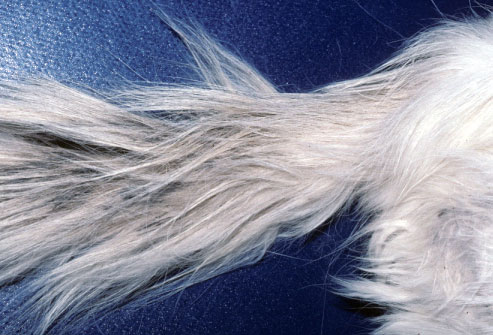
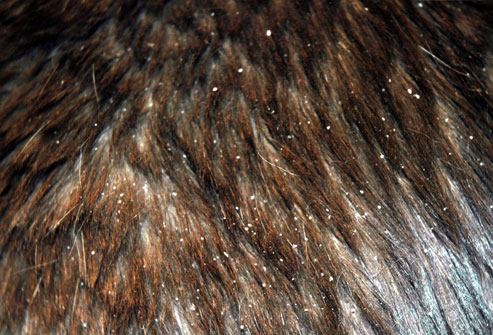
    As their skin rejuvenates the top layer of our feline friends skin naturally shed dead skin cells, this is called dander. As a pet lover you must not confuse this natural process with a more serious condition called seborrheic dermatitis, or dandruff. Your cat can have a skin disorder where the sebaceous glands produce too much sebum. This is highly noticeable on the face, flanks and back of a cat with a dark coat. The skin beneath the coat will become flaky, itchy, scaly and red. Two different forms of seborrhea exist: seborrhea sicca, which is dry seborrhea, and seborrhea oleosa, or oily seborrhea. A combination of both types appears on cats with dandruff.

    CAT DANDRUFF CAUSES

    Cats with idiopathic seborrhea will have dandruff that does not have an actual cause. There are medical conditions that are exhibited in the cat’s coat. Careful observation is important prior to visiting the vet. Written notes allow the owner to record behaviors, including eating and sleeping habit changes, that indicate health problems. The vet will ask specific questions that provide insight for the diagnosis. An experienced pet owner should observe their cat for a few days prior to the vet appointment. The most common causes of cat dandruff are:

    • Environmental factors – Temperature and humidity changes cause the skin to dry when the seasons change.
    • Hormonal imbalance – The thyroid gland regulates the animal’s metabolic rate, which affects the body temperature. Imbalance can cause cat dandruff.
    • Allergies – Skin irritation can come from household cleaners and laundry detergent.
    • Fungal infections – Ringworm is a common cause of dandruff in cats.
    • Parasites – Fleas and ticks cause skin irritation that will lead to dandruff if left untreated.
    • Obesity – Heavy cats are unable to maneuver to clean the fur in certain areas, especially the back.
    • Musculoskeletal disease – Pain similar to arthritis will prevent the cat from reaching the fur along the back and tail.

    CAT DANDRUFF SYMPTOMS

    Areas of the cat’s coat where there are high concentrations of sebaceous glands will show early signs of dandruff. The back has the highest concentrations and is most visible to you has an owner. Cats may also leave a circle of dandruff flakes in their sleeping area. So that is also a good indication of dandruff.

    Another critical sign to take note of is the smell of your pet. There is a noticeable odor that accompanies a cat with dandruff. As an owner you are the most familiar with your pets odor look out for new or changes in your cats smell. A yeast skin infection or secondary bacterial infection can cause this odor to be worse.

    A cat that swats the owner’s hand when touching certain areas is telling the owner something is wrong. Careful investigation will reveal red, or inflamed, skin with lesions that are dry or oily to the feel. Also the folds of skin on the feet, armpits, thighs and belly will show worse signs of the dermatitis.

    SEBORRHEA DIAGNOSIS

    An experienced vet will conduct various tests to determine the type and cause of the cat dandruff. The purpose of most tests is to determine the root cause of the condition.

    • Blood tests – A complete blood cell count, or CBC, electrolytes and serum chemistries will reveal underlying medical conditions and imbalances in hormone and enzyme levels.
    • Skin scrapings and skin cytology
    • Skin culture – This test will allow the vet to identify bacterial and fungal infections, such as ringworm
    • Skin biopsy
    • Hormone tests

    SEBORRHEA TREATMENT

    A medical cause of the dandruff is the primary objective in running tests on the cat. Treatment for the malady will correct the cat dandruff as the condition diminishes. In rare cases, the primary diagnosis will be idiopathic seborrhea. Unfortunately, a standard treatment approach for primary seborrhea does not exist. The pet owner will use these treatments to devise the best approach for the cat’s dandruff. Here are some of the most common treatment method:

    • Antiseborrheic shampoos
    • Omega-3 fatty acid food supplements
    • Retinoids
    • Moisturizers
    • Antibiotics – for secondary bacterial infections
    • Oral cyclosporine

    CAT DANDRUFF PREVENTION

    A cat’s skin will respond to higher humidity levels, fatty acid supplements and sufficient clean water in much the same way that a human’s skin will. Here are some important considerations for the cat’s daily routine. Each one must be included at the right intervals to prevent cat dandruff.

    • Good bath – Some cats need help with keeping the entire coat clean and in good condition. A bath every couple of months can provide the right combination of moisturizer and anti-dandruff shampoo. A gentle brush is a helpful tool to reach through the hair and massage the skin. The bath will also loosen the flakes on the skin. An a thorough rinsing will release the flakes from the hair.

    Some cat lovers choose to send the cat to a reliable groomer every 60 days to get the best bath and skin treatment available.

    • Maintain a healthy weight – Cats must be flexible and of the optimal weight to be able to groom every part of the coat. Cat dandruff can develop on the back just above the tail. It is also important to note that an obese cat is the perfect candidate for serious health conditions later in life, including diabetes and arthritis.

    • Monitor the environment – Too much direct sun on the ears, nose and top of the cat’s head can lead to sunburn. A cat’s skin is susceptible to sun damage because there is no natural sun protection in the skin.

    Dry air in the winter months can cause skin irritation for the cat. Static in the fur makes petting uncomfortable. A humidifier is the perfect solution. As a side benefit humans experience fewer winter colds in higher humidity.

    Do not allow the cat to sleep in front of the fireplace when the logs are crackling. The heat dries out the cat’s skin quickly.

    • Appropriate diet – Fatty acids and sufficient clean water will work together to maintain the proper moisture content in the cat’s coat and skin. A cat that does not like to drink water will have kidney problems later in life. Sufficient water content in the food is necessary. High-quality canned and dry foods maintain good health and quality of life for many years.

    Omega-3 fatty acids are important for the cat’s skin. Supplements are a better source of Omega-3 fatty acids than canned tuna. Cats have a tendency to favor treats over the regular food, which can lead to malnutrition.

    • Consult the vet – All pet owners learn to identify health situations that require professional medical attention. Delays are not wise when the cat is exhibiting changes in behavior or skin irritation.

    TIPS FOR A DANDRUFF-FREE CAT

    A daily routine that supports and promotes a healthy skin and coat is important in the quest to prevent cat dandruff. Some minor changes to your current routine will improve the chances of controlling or curing the cat’s skin problems. Some of these include:

    • Brushing the coat – Daily brushing sessions are enjoyable for cats when the right brush is used. Long strokes along the coat will remove loose hair and stimulate the hair follicles. Healthy hair growth ensures that the oils are evenly distributed.

    • Proper diet – Good food is important for a healthy cat. Look for specialty foods that have been developed to support the cat’s coat.

    • Avoid heat – Cat’s favorite heat sources during the cold months. As I mentioned before, dry skin can become irritated if too much heat is present for long periods.

    • Colloidal oatmeal – Moisturizers with colloidal oatmeal add a gentle emollient to the skin.

    FINAL WORD

    As a cat lovers, you are the best person to observe the skin health in the family pet. Normal dander is not cause for concern. However, Cat dandruff can be a symptom of severe medical conditions that should be a cause for a veterinarian visit. The wise pet owner will spend sufficient time with the animal to determine if its daily habits and behaviors are changing. Treatment is possible, but prevention is a better choice.