Author: CDC

  • Stomatitis in Cats (Sore Mouth): Causes, Treatments and Tips

    Stomatitis in Cats (Sore Mouth): Causes, Treatments and Tips

    Feline stomatitis is a very painful condition. It is an umbrella term that is used for the swelling and inflammation of the mouth. The pain is so significant that as the condition progresses, the cat will stop eating. Also in cases of Stomatitis in Cats, the area around the hinges of the cat’s jaw and the back of the mouth is visibly red and inflamed. The gums and gumline may also appear red, meaty, and swollen.

    Causes of Stomatitis in Cats

    Stomatitis in cats can be attributed to various causes and is most likely due to a number of factors. The exact details of how this condition is developed have not yet been fully understood. Many studies conclude that it stems from an overreaction of the body’s immune system to plaque buildup. The three most common factors seem to be:

    Hyperresponsiveness:

    [unordered_list style=”green-dot”]

    •  It’s thought that some cats are what is called ‘plaque-intolerant’. They tend to have an allergic reaction or a hypersensitivity to bacterial plaque. This reaction results in a disease called lymphocytic-plasmacytic gingivitis stomatitis (LPGS). It affects the whole mouth. Certain cells called lymphocytes and plasma cells that play a role in the immune system, travel into the soft tissue of the mouth and cause severe inflammation; thus, stomatitis.
    • It is also possible that the cat is suffering from an allergic reaction to something else in his environment. An allergy to food or fleas can also present as oral and/or skin lesions, irritation and inflammation. These are called feline eosinophilic granuloma.

    [/unordered_list]

    Immunosuppression:

    [unordered_list style=”green-dot”]

    • If a cat’s immune system is suppressed, such as by a viral and/or bacterial infection, stomatitis may occur. Fifteen percent of cats suffering from chronic oral inflammation are infected with feline leukemia virus (FeLV), or feline immunodeficiency virus (FIV), or sometimes both.

    [/unordered_list]

    Its important to note that stomatitis in cats can be a life threatening condition. Affected cats will stop eating because it simply becomes too painful. They will begin to lose weight rapidly and are at risk for chronic malnutrition, dehydration, fatty liver, and hepatic lipidosis. Stomatitis occurs in all breeds of cats. However, it is most commonly seen in Persians, Himalayans, and Somalis.

    Signs and Symptoms of Stomatitis in Cats

    There are several common signs to indicate that your cat may be suffering from stomatitis. Some of these include:

    [unordered_list style=”tick”]

    • Red, inflamed, and/or bleeding gums
    • Halitosis (extremely bad breath)
    • Loss of appetite or anorexia
    • Weight loss
    • Excessive drooling
    • A visible lack of grooming
    • Pawing at the mouth

    [/unordered_list]

    Some cats may also shy away from touch completely, or yelp when the mouth is inadvertently touched. Other cats may become more vocal for no apparent reason. Stomatitis in cats, should be taken very seriously so observe your cats behavior very carefully.

    Treatment Options for Stomatitis in Cats

    Various treatments exist for stomatitis  in cats but there is only one that is considered as a potential cure:

    A full mouth dental extraction

    It may seem drastic but plaque is known to be a trigger, if there are no teeth for plaque build on, there will be no recurrence of stomatitis. In ninety percent of cases, this option cures the disease. The mouth should be x-rayed following an extraction to ensure that no roots are left below the gumline.

    This option is costly but cat owners who have been suffering along with their cats through stomatitis for many years are happy they decided to go with this option. Despite what many may think, cats can eat just fine with no teeth. In fact, they will go on to eat better after their recovery due to the absence of the pain they were experiencing.

    Like any treatment or procedure, it is not a guaranteed cure and in some cases, the cat may continue to have stomatitis. It’s important to discuss all options and weigh the pros and cons with your veterinarian. Do not be hesitant to voice any concerns or ask any questions.

    There are other treatment options for Stomatitis in Cats, you can consider. We discuss some of these options below:

    Steroids

    Although they effectively suppress the immune system and ease inflammation in the mouth, they are considered a short-term solution. Stomatitis will reoccur and after long periods of steroid use, the cat will develop a resistance. Steroids are a serious drug with serious side effects including diabetes associated with long-term use.

    Immunosuppressants

    Cyclosporine has been shown to be effective in some cases, but not all. It is a costly drug with undesired side effects such as anorexia and sometimes, bone marrow suppression.

    Antibiotics

    [unordered_list style=”arrow”]

    • Azithromycin is commonly used to treat secondary infections that have been linked to stomatitis.
    • Doxycycline offers an anti-inflammatory effect. It also helps by clearing up most secondary infections in the mouth.

    [/unordered_list]

    Pain medication

    Flare-ups will commonly be treated with either a narcotic or a medication called Buprenex. If the cat is not undergoing steroid therapy, Metacam is a pain medication that may also be prescribed.

    Keeping the Infected Area Clean

    Stomatitis in cats causes a build up of bacteria that will cause the condition to get worse if left untreated.

    Proden plaqueoff is one way to fight the disease buildup in the mouth. It comes in a powdered form and you simply add it to your cats meals once a day.

    It works by using a natural seaweed based formula to attack the bacterial biofilm that forms on the teeth and gums, treating plaque and tartar, bad breathe and gingivitis.

    It is human grade and human tested.  You can expect to see results over a 2-8 week period if the condition is not severe.


    Tips for the Prevention of Stomatitis in Cats

    [unordered_list style=”tick”]

    • Start when a kitten is very young. Touch the face and the mouth. Accustom the kitten to having his mouth examined. Pull back the lips and gently touch the gums. This way, it will be easier to keep an eye on your cat’s dental health as he ages.
    • As a cat owner, you can inspect the inside of your cat’s mouth every few months and simply perform a wellness check.
    • There are kitty toothpastes, and water additives on the market at pet specialty stores everywhere.
    • Have your cat undergo a professional teeth cleaning once a year. This is a very common procedure that consists of your cat going under anesthesia while the attending veterinarian thoroughly scrapes the plaque away.
    • If you notice any foul breath, or redness along the gumline, advise your veterinarian immediately.

    [/unordered_list]


    Thanks for visiting www.catdandruffclinic.com, if you liked this article please like us using the side bar . [hr]

    Related Posts:

    [related_posts limit="3"]  

  • Sarcoma in Cats: Causes, Treatments, Prevention and Tips

    Sarcoma in Cats: Causes, Treatments, Prevention and Tips

    Sarcomas are a specific type of cancer. They present as a subcutaneous (beneath the skin) lump and are malignant tumors arising from transformed cells.

    Vaccine-Associated Sarcomas (VAS)

    In 1991, veterinarians began noticing a larger number of sarcomas developing on the body of cats under care. This was around the time when new vaccines were introduced and administered routinely. The elevated cases of sarcomas coincided with the transition from using modified-live rabies vaccines to adjuvanted killed virus vaccines. Adjuvants are immunological compounds that enhance the immune system’s response to an antigen. Aluminum-adjuvanted feline leukemia (FeLV) vaccines were introduced around the same time as well.

    The sarcomas often formed in common vaccination sites. These sites include:

    [unordered_list style=”tick”]

    • Between the shoulder blades
    • The hip region
    • Hindlimbs

    [/unordered_list]

    A relationship was soon established between these tumors and vaccines such as rabies and FeLV. It is now believed that certain cats have a predisposition to develop these tumors. The genetic factor in this predisposition has not yet been determined.

    So, What Is Being Done?

    Fortunately, vaccine-associated sarcomas are rare. Even so, vaccine manufacturers are developing new versions of the vaccines with alternate adjuvants. Also, a group has since been established to research the issue. The Vaccine-Associated Feline Sarcoma Task Force is an alliance of veterinary organizations dedicated to studying and remedying this problem.

    What You Can Do

    It’s important to know that the risk of not vaccinating your cat far outweighs the possibility of her developing a vaccine-associated sarcoma. Therefore, it is vital that all necessary vaccinations are administered for the health and safety of your cat.

    Be Informed

    Your veterinarian will establish a vaccination schedule based on your cat’s individual risks. Any unnecessary vaccinations will be avoided while ensuring your cat’s optimal safety and future health. A three-year rabies vaccine will suffice for an indoor cat, while cats that are let outdoors may require an annual vaccination.

    Ask Questions

    Inquire about the rabies vaccine that is available. Is it a modified-live rabies or an adjuvanted killed virus vaccine?

    What to Look For

    Following a routine vaccination, it is common for a small lump to present at the injection site. This is a result of the body’s initial response to the vaccine which causes minor swelling under the skin. The lump can last a few days to a month. If it persists beyond a month’s time, then it is best to return to your veterinarian.

    Diagnosis

    A sarcoma is diagnosed by a biopsy of the tissue. Upon a confirmed diagnosis, additional tests are performed to determine the cat’s overall health and also to determine if the tumor cells have metastasized (spread to other parts of the body). Some of these tests may include:

    [unordered_list style=”green-dot”]

    • A complete blood count (CBC)
    • Urinalysis (U/A)
    • Sonogram or other radiology
    • Serum biochemistry panel
    • Thoracic radiographs
    • Lymph node aspiration

    [/unordered_list]

    Treatment Options

    A treatment plan is devised based on a number of factors, such as:

    [unordered_list style=”tick”]

    • Results of the above tests
    • Location and size of the tumor
    • Wishes of the cat’s owner

    [/unordered_list]

    Surgery

    Generally, the first option in the treatment of a sarcoma is surgery to excise the mass. If the tumor is small enough and/or in a location where adequately wide margins can be achieved, surgery is considered the treatment of choice.

    Surgery and Radiation

    In cases where clean margins can not be achieved due to the location and/or size of the tumor, a combination of surgery to excise the bulk and radiation therapy has proven to decrease the risk of recurrence. A CT scan is done prior to radiation in order to assist the veterinary oncologist with planning the most effective treatment.

    The goal is to optimize the destruction of the tumor cells but also minimize the impact on healthy tissue and surrounding organs. Radiation therapy consists of several (15-20) treatments that are given on a Monday through Friday schedule. Despite the grueling schedule, radiation therapy is well tolerated by cats and side effects are mild. Rapidly dividing tissue such as skin and hair may experience some reversible reactions.

    Chemotherapy

    Another treatment option is chemotherapy. It is usually chosen to treat tumors with a higher likelihood of metastasis but can also be used as an effective method to target cancer cells in cats with vaccine-associated sarcomas. Chemotherapy consists of four to six treatments given at three-week intervals.

    The drugs work by targeting and destroying rapidly growing cells, which is the way cancer cells behave. Thus, chemotherapy spares normal, healthy tissue. Potential does exist for some normal cells that naturally grow and divide rapidly to be inadvertently damaged. These include:

    [unordered_list style=”green-dot”]

    • Hair cells
    • Intestinal lining
    • Bone marrow

    [/unordered_list]

    The doses used are much lower than the doses used to treat people. Toxicity is rare but side effects may occur. The oncologist will advise the owner of any possible side effects based on all factors of the individual case and explain what to keep an eye out for.

    There is always a risk when a drug is introduced into the system for the first time. If the cat experiences any side effects, the dose is adjusted to ensure quality of life during treatment. The drug administered during chemotherapy is called doxorubicin, and a side effect unique to this drug is a weakening of the kidneys from multiple doses. Blood tests will be performed periodically to monitor for this.

    Palliative Radiation Therapy

    Finally, if none of the above options can be utilized to successfully treat the sarcoma or if distant metastasis is observed, palliative radiation therapy is an option to make the cat comfortable. This treatment consists of two consecutive doses, twice daily. It’s aimed at relieving the inflammation and pain resulting from the tumor. The treatment is often repeated after one month in order to extend the duration of the response if no progression of the cancer is observed.

    If you think your cats is showing any of the symptoms discussed in this article you should take your pet to your veterinarian as soon as possible. Your vet will be able to provide you with the best options for your pet.

    Thanks for visiting www.catdandruffclinic.com, if you liked this article please like us using the side bar . [hr]

    Related Posts:

    [related_posts limit="3"]  

  • Understanding Feline Toxoplasmosis

    Understanding Feline Toxoplasmosis

    Feline Toxoplasmosis is a parasitic disease that affects cats (and also humans). The disease is caused by a single-celled parasite known as Toxoplasma Gondii. The parasite has been known to affect and cause most of the parasitic diseases in almost every warm blooded animal. Although the parasite is very common in cats, it rarely causes serious condition in them. The cats mostly act as a primary host to the parasites; they pass the parasite through feces. The disease can be passed from cats to human beings.

    In cats, the parasite’s reproductive form lives in the small intestines and the infective oocysts (thick-walled spore able to survive for lengthy periods outside a host) leaves their body through feces. The oocysts become infective within the first 5 days. They can live in the natural environment for years as they are highly resistant to disinfectants. On consumption of the infected prey, the parasite is released into the cat’s intestine again and it cycle starts again.

    How do cats get Toxoplasmosis?

    The main source of the infection in cats is eating uncooked meat from an infected prey. Since kittens’ immunity has not yet fully developed, they are likely to experience serious symptoms of the disease than the cats. The cats that hunt in the wild are more prone to contract the disease than those living in our homes as pets. This is because pets are more hygienic than the wild cats and in many cases they feed on cooked meals.

    Feline Toxoplasmosis cycle

    Toxoplasmosis_life_cycle_en.svgToxoplasma Gondii’s life cycle comprises two main stages; these are the sexual and asexual phases. During the former, the tissue cysts is ingested by a cat after consuming an infected rodent. The cysts then thrive in the cats intestines for 3 to 10 days.

    They are later egested via the bowels and join the asexual phase; in the outer world. If a human being comes into contact with a host cat’s feces, they may acquire the parasite. As a matter of procedure, the cyst then resumes the sexual phase. The cycle goes on like that in a repeated manner.

    Causes and symptoms of Feline Toxoplasmosis

    Cats are infected by toxoplasmosis due to consumption of oocysts. The oocysts are mostly present in the tissues of chronically infected preys such as rodents and birds. It is rare for a mature cat to show symptoms of the disease; however the cats which have less immunity can show the following clinical symptoms

    [unordered_list style=”tick”]

    • Lethargy/ Tiredness
    • Loss of appetite

    [/unordered_list]

    The disease can also affect the feline’s liver, lungs and nervous system. Kittens that are exposed to the disease in their mother’s womb are mostly likely to show the above symptoms when they grow up.

    Can people get feline toxoplasmosis?

    180px-Toxoplasma_gondiiYes. People who come to contact with the feces of infected cats are mostly likely to contract the disease. People with weak immune systems are more likely to be affected by the disease. Fortunately, most of the people have contracted the disease and developed strong immunity to it. Some of the symptoms that indicate a human being has got the disease are:

    [unordered_list style=”tick”]

    • Hepatitis
    • Diarrhea
    • Inflammation
    • Depression
    • Partial or total blindness
    • Increased pulse rate
    • Muscle pain

    [/unordered_list]

    If you suspect that your can has the disease, it is advisable to take the cat to the veterinarian for it to be diagnosed. Toxoplasmosis is mostly diagnosed under the basis of the pet’s medical history or the sign of its infection after a test has been done to the cat.

    The test involves a routine blood test. The veterinarian can also perform diagnostic test like ocular examination, feces examination, complete blood count, IgM antibody test and IgG, fluid analysis and Cerebrospinal.

    Sometimes the oocysts can be found in the feces but this is not sufficient to confirm that the cat is suffering from Toxoplasmosis. This is because the parasite looks like other parasites. In order to make the right diagnosis, the veterinarian does a microscopic examination of the cat’s tissues.

    Cats that are capable of shedding oocysts should by quarantine for treatment. They should be kept away from other pets, children and pregnant mothers so as to prevent the spread of the parasite.

    Is there a cure for feline toxoplasmosis?

    Although there is no drug that can kill the parasite, there veterinarian uses antibiotics to clear up most of the disease symptoms. The treatment of toxoplasmosis involves a course of antibiotics known as Clindamycin. The veterinarian can also use a combination of sulfonamides and pyrimethamine to treat the disease.

    These drugs inhibit the parasites from reproducing. It is very important for your cat to stay on medication after it has been diagnosed with the disease and continue taking the drugs even after the symptoms have diminished. The veterinarian my also offer home medications that should be strictly followed so that the medication can work effectively.

    Feline Toxoplasmosis Prevention tips

    Like any other disease, it is wise to prevent toxoplasmosis. Some of the preventive measures you can use to prevent both the cat and human beings from acquiring the parasite are:

    [unordered_list style=”arrow”]

    • Proper prevention requires the pet keeper to properly train his/her pets.
    • The cat should only feed on dry or cooked food. Uncooked meat, bones and entrails should be completely avoided as tissues from these foods may contain oocysts.
    • Trash and garbage containers should be kept away or enclosed in order to prevent garbage scavenging by the cats.
    • Never allow your cat to go hunting for wild mice and birds
    • Wear protective cloth when gardening.
    • Take proper hygienic protection when handling raw meat.
    • Pregnant mothers should avoid cleaning the litter box as it may contain oocysts.
    • Use disposable rubber gloves while cleaning the litter bin
    • Do not eat uncooked meat
    • Cover the child’s sand box if he/she is not playing with it. This is done to prevent the cat from defecating in it.

    [/unordered_list]

    It is not necessary to go to extreme measure if your pet is diagnosed with toxoplasmosis. By practicing good hygiene and treating your cat, both the cat and you can stay safe and live a healthy life. To sum it up, toxoplasmosis is a rather dangerous disease however it can be easily contained if one takes prompt steps to visit a vet.
    Thanks for visiting www.catdandruffclinic.com, if you liked this article please like us using the side bar . [hr]

    Related Posts:

    [related_posts limit="3"]  

  • Top 3 Best Flea Treatment for Yard and Outdoor Areas

    Top 3 Best Flea Treatment for Yard and Outdoor Areas

    There could be nothing more irritating than finding out that your pets are infested with fleas. The worst part is that once your cat (or dog) have fleas then their eggs can automatically drop around your house and outdoor areas. It is therefore essential that when you use flea treatment for yard or outdoor areas that you also be sure that you treat your pets.

    Remember fleas can become such a nuisance because they multiply rapidly. Just one flea can lay up to 60 eggs in a day.

    Top three Flea treatment for yard areas

    It’s necessary that you know the best treatment for fleas in your yard. Below are our top 3 treatment pesticides to help you wipe out fleas:

    Suspend SC Insecticide Flea Treatment for Yard Areas

    This is a very effective Flea Treatment for yard and other outdoor areas. The effect of this pest control product lasts as long as 3 months, thereby continuously wiping out fleas. Suspend SC insecticide is odorless and is retained on the surfaces on which it is sprayed on.

    This insecticide is approved for both indoor and outdoor use. Besides the pesticide does not cause allergies in many people unless under special conditions. In addition it has 75% of the active ingredient Deltamethrin in intense pure micro-crystals. Suspend is perfect for flea treatment for yard and outdoor infestations.

    Suspend is rated to be effective and Target the following Pest: Ants, Carpenter ants, Carpet beetles, Firebrats, Fleas, Gnats, Midges, Centipedes, Millipedes, Pantry pests, Silverfish, Ticks, Bees, Bedbugs, Boxelder bugs, Cecid Flies, Cockroaches, Crickets, Stable flies, House flies, Cluster flies, Horseflies, Elm leaf beetles, Ground beetles, Moths, Midges, Hornets, Killer bees, Lice, Mosquitoes, Multicolored asian lady beetles, Pillbugs, Scorpions, Sowbugs, Spiders, Yellowjackets, Wasps, Formosan, and Eastern subterranean termites.

    Note: Flea Treatment for Yard and outdoor areas Cannot be shipped to: NY, AK, CT.


    Talstar Pro Multi Use Insecticide Flea Treatment for Yard Areas

    Also known as Talstar professional, is another popular and most trusted insecticide to help you with Flea Treatment for Yard and outdoor areas. It is a multi-insect killer which can be applied both indoors and outdoors and even in food preparation areas.

    The fact that it eliminates numerous pesticides clearly shows it’s potent in clearing fleas. Lasts as long as three months after spraying. It is non-irritant, odorless and clear. It has the active ingredient Bifenthrin which mainly targets insects like fleas. This is a great flea treatment for yard and outdoor infestations.

    Tastar is rated to be effective and Target the following Pest: Spiders , Roaches , Fleas , Ticks , Stink Bugs , Mosquitoes , Earwigs Etc

    Note: Flea Treatment for Yard and outdoor areas Cannot be shipped to: NY, AK, CT.


    Permethrin SFR Multi Use Pest Control Flea Treatment for Yard Areas

    It is ideal for quick, effective, and lasting control of fleas. It can be used for the perimeter treatment of recreation areas, lawns, and ornamentals. It contains 36.8% of the active ingredient permethrin and is a low order professional grade.

    This insecticide is very safe for pets and even children. Once the area of application has dried there can be no danger. Direct application on animals is however strongly discouraged. This is another great flea treatment for yard and outdoor areas.

    Target Pets: Ants, aphids, Japanese beetles, bagworms, caterpillars, fleas, flies, mosquitoes, scorpions, wasps, ticks, ground beetles, termites and sod webworms.


    Tips on using the above mentioned Flea Treatment for Yard areas.

    [unordered_list style=”arrow”]

    • Use a 1-Gallon (or larger) Lawn and Garden Sprayer, makes treatment easy and fast.
    • Accuracy is very important when spraying insecticides. A garden sprayer will help you measure the right quantity of the insecticide to be used.
    • Do not allow direct contact with pets
    • The active ingredients in the insecticides are not meant for pets but for pests. As such direct contact may pose danger to the animals.
    • Read the label carefully and follow instructions
    • Pesticides have different compositions and are therefore used differently. Before you apply any insecticide, read the manual first just to ensure you do not make any mistakes. After the process be sure to wash your hands with soap and water.

    [/unordered_list]

    What are some of the Dangers of having Fleas in your yard?

    Having fleas around your home can pose great danger not only to you but also your pets. It is important to note that deciding to get flea treatment for yard early enough will save you the discomfort. You will be preventing critical diseases such as:

    [unordered_list style=”tick”]

    [/unordered_list]

    Health Effects of flea on Cats

    Flea Allergic Dermatitis

    This is a flea allergy common to both cats and dogs. It comes as a result of a flea bite on your cat. Normally when a flea bites an animal its saliva gets in contact with the body of the cat. It is the hypersensitivity of the pets to flea saliva that causes reaction.

    Amazingly, just a single flea bite can expose your cat to Flea Allergic Dermatitis (FAD). This disease is characterized by pain and itching. Normally since fleas thrive in warm weather, most pets get FAD in summer.

    Anemia in cats

    Fleas are blood sucking insects, a huge infestation will definitely lead to anemia. Anemia in pets can be very serious and might even cause death.

    Tapeworm transmission

    Fleas can transmit a species of tapeworm to your cats. Fleas are used as an intermediate host by certain species of tapeworm. These tapeworms release eggs that are later fed on by the flea larvae. Pets that consume fleas infected with tapeworm automatically get the infection. Tapeworms can be an annoyance to your cats, and left untreated can become a serious ailment.

    Health effects of flea on humans

    Itchiness and pain

     flea treatment for yardFleas in your home environment will definitely bite you. As a results of flea bites your skin gets itchy and irritated. This leads to continuous scratching which might make your skin sore and red. Actually you will even end up having small red bumps due to the itchiness and constant scratching.

    Bacterial infections

    Flea bites can make you susceptible to other bacterial infections. This is because of open sores associated with scratching your skin when it feels itchy.

    People can also get infected with tape worms if they accidentally ingest fleas or get in contact with flea waste and do not wash their hands prior to eating.

    Bubonic plague in humans

    Besides the oriental rat flea is also known to transmit bubonic plague in humans. This specie of fleas transports bacteria from rodents to human beings. Bubonic plague is characterized by swollen lymph nodes, fatigue and fever.

    Murine typhus in people

    In addition the cat flea and oriental rat flea can carry bacteria that cause murine typhus to human beings. This infection is found in the waste of a flea. Usually when a flea is feeding on you it is bound to defecate. This waste remains on the skin and gets into the skin while you scratch your body. Murine typhus signs and symptoms include fever, nausea and headaches.

    Understanding the flea life cycle

    If you are intending to find a complete treatment for flea in your yard then it is important you understand the stages it goes through in life. This will help you make a wise decision on how to deal with them.

    Flea life cycle

    A flea has four stages in its life cycle namely the egg, larvae, pupa and adult. The amount of time it takes for a flea to completely mature varies depending on its environmental conditions.

    Egg

    The life cycle begins when an adult female flea lays eggs. These eggs are laid once the flea feeds on blood either from you or your pet. Flea eggs are white and very tiny and are deposited on a pet’s fur. As your dog or cat walks around your yard, the eggs fall off. It takes a maximum of two weeks for the eggs to be hatched, this depends much on the prevailing environmental conditions.

    Larvae

    Flea larvae take a number of weeks to develop and will stay away from light since they cannot see. They survive by feeding on flee dirt usually released by adult fleas. The larvae can develop cocoons within a period of twenty days.

    Pupae

    The pupae stage is also known as the cocoon stage. The cocoon is important as it ensure safety of the Pupae before it eventually matures into an adult. They have a sticky outer layer which makes it possible for them to conceal their presence underneath your carpets. The cocoon also keeps them safe from any chemicals in your yard too. The flea will remain in pupae stage for as long as it takes, even years. The presence of a host will make it break out from its cocoon.

    Adult

    Once the flea breaks out of its cocoon, it starts feeding. The female adult will not lay eggs unless it gets to feed on blood. Your  flea treatment for yard and outdoor areas needs to treat these adults fast before they harm your family.

    Conclusion

    Fleas are not friendly, if you have an infestation you need a good flea treatment for yard as soon as possible. All the top three flea treatment for yard and outdoors are available on amazon. Adopt a pest elimination method that is safe for you, your children and pets. Treat fleas as soon as they appear and your family will be much safer.


    Thanks for visiting www.catdandruffclinic.com. Review our top 5 ways you can help save a pet.  if you liked this and other articles please like us using the side social bars .

    [hr]

    Related Posts:

    [related_posts limit=”3″]

  • Rodent Ulcers in Cats: Causes, Treatments, Prevention and Tips

    Rodent Ulcers in Cats: Causes, Treatments, Prevention and Tips

    Rodent ulcers, also known as indolent ulcers, are unique to cats. Despite their name, there is no connection between them and rodents of any kind. The term “rodent ulcer” came from the old belief that the sores were from a rodent bite or some sort of infection the cat caught from a rodent. Even though the veterinary community now knows this is not the case, the name has stuck.

    So What Are They?

    rodent ulcer in CatsA rodent ulcer starts as a pinkish spot, usually around the cat’s mouth and develops into an open sore. They most commonly present on the upper lip but can also occur on the bottom lip, tongue, or behind a molar. They seem to cause no pain. The cat will often not give any notice to the presence of a rodent ulcer.

    As it advances, the ulcer may begin to partly erode the lip and cause swelling. Rodent ulcers are grouped into a larger disease called “feline eosinophilic granuloma complex”. This group of feline skin disorders also includes:

    [unordered_list style=”tick”]

    • Eosinophilic Plaques: Lesions that usually present on the abdomen and thighs.
    • Eosinophilic Granulomas: Linear, inflamed lesions found on the caudal thighs, tongue, palate and other areas of the face.

    [/unordered_list]

    All of these often have the same effect on the cat. They can all be treated with the same therapy, and usually have the same underlying cause.

    What Causes Rodent Ulcers

    These ulcers can develop in cats of all ages but are three times more common in females than males. The exact cause is often never known but there is evidence that points to some cats having a predisposition to developing these types of ulcers. There are also studies that point to various other causes. As of right now, veterinarians tend to treat these ulcers based on three common causes:

    [unordered_list style=”green-dot”]

    • Allergies: Most commonly, an allergy is present. This could be an allergy to fleas, food, or other things in the cat’s environment such as plastic or rubber food dishes.
    • An Autoimmune Reaction: Some studies attribute the ulcers to an autoimmune reaction. This type of reaction occurs when the body considers a part of itself as a threat and the immune system attacks a portion of the body.
    • Genetics: Other studies indicate that there may be some genetic origin.[/unordered_list]

    In some cases, rodent ulcers have been seen in cats that have been exposed to the feline leukemia virus. This further implies that an impaired immune system may play a role in the formation of these types of ulcers. However, that does not mean that all cats with rodent ulcer have feline leukemia. It has only been observed in some cases. In any case, your cat will be tested for the feline leukemia virus.

    How Rodent Ulcers Are Diagnosed

    The attending veterinarian can diagnose a rodent ulcer simply by observing the typical appearance and location of the ulcer. In rare cases, needle aspirate cytology or a biopsy is done to rule out malignancy. This is especially the case in a recurring ulcer or one that does not respond to treatment.

    How Rodent Ulcers Are Treated

    vacunacionTreatment usually consists of steroid therapy. Cortisone along with antibiotics has proven to be one of the most effective treatments. The antibiotic clears up any bacterial infection while the cortisone subdues the ulcer. There are two common methods of administering cortisone:

    [unordered_list style=”tick”]

    • Orally (prednisone): A pill that is usually given on a daily basis until the ulcer clears up.
    • Injection (Depo-medrol): Three courses given at two-week intervals.

    [/unordered_list]

    Treatment for Underlying Flea Allergies

    If an allergy is the suspected cause for a rodent ulcer, such as a flea allergy, your veterinarian will recommend a flea treatment and preventative.

    Treatment for Underlying Food Allergies

    If your cat is already on a flea preventative and the cause is most likely a food allergy, a change in food would be most beneficial. Some cats are allergic to wheat, while many are allergic to chicken. A simple change in food could bring some much-needed relief. Your veterinarian will discuss how to go about a food allergy trial and may also write a prescription for some special food.

    Treatment for Environmental Allergies

    In the case of a rodent ulcer, it always best to switch your cat’s dishware if she’s using plastic or rubber bowls. These types of bowls commonly cause allergic reactions in cats. Stainless steel is an alternative option that does not tend to cause allergic reactions.

    Treatment for Seasonal Allergies

    Additionally, some cats seasonally present with rodent ulcers, similar to the way some people suffer from hay fever in spring or other portions of the year. In these cases, a maintenance regimen of prednisone may be prescribed during peak months.

    Allergies Are Nothing to Sneeze At

    It’s important for you and your veterinarian to try and find the allergen and eliminate it, otherwise the rodent ulcer may recur and continue to recur for the remainder of your cat’s life.

    Tips for Possible Prevention

    As far as prevention of rodent ulcers goes, it is difficult if you are not aware of the underlying cause. If your cat has a known allergy, take all measures to eliminate it. Otherwise, keep your cat on flea and parasite prevention, make sure she is eating healthy, nutritious food, and aid her in her grooming. Always keep an eye out for any behavior that may indicate an allergy and alert your veterinarian. Some things to look for are:

    [unordered_list style=”arrow”]

    • Vomiting
    • Diarrhea
    • Sneezing
    • Bald patches
    • Excessive grooming

    [/unordered_list]


    Thanks for visiting www.catdandruffclinic.com, if you liked this article please like us using the side bar . [hr]

    Related Posts:

    [related_posts limit="3"]  

  • Rabies in Cats: Causes, Treatments, Prevention and Tips

    Rabies in Cats: Causes, Treatments, Prevention and Tips

    There is a very good reason why the word “rabies” ignites feelings of fear and concern. It is a deadly zoonotic disease that attacks the brain and central nervous system (CNS). All mammals are susceptible to it. Once the symptoms of rabies are present in a cat, the disease is nearly 100% fatal. Fortunately for your cat, it is also 100% preventable.

    Causes of Rabies

    Rabies in CatsRabies is a virus that is most commonly transmitted through a bite from a rabid animal. Infectious particles of the virus are retained in the salivary glands of the carrier to better spread the virus throughout their saliva. In the United States, the primary carriers of rabies in wildlife consist of:

    [unordered_list style=”tick”]

    • Bats
    • Raccoons
    • Foxes
    • Skunks

    [/unordered_list]

    Although less common, it can also be transmitted by the exchange of blood and through inhaling the escaping gases from a decomposing animal’s carcass. Contracting the rabies virus this way is rare but cases have occurred. After initial exposure, the virus incubates and it may take anywhere from a few days to a year for any symptoms to become apparent. Once symptoms are exhibited, death usually follows within ten days.

    Types of Rabies

    There are two different types of rabies: paralytic and furious. In the early (prodromal) stage of infection, there may only be mild signs of central nervous system (CNS) abnormalities. The prodromal stage usually lasts one to three days, after which the infection will enter either the paralytic stage, the furious stage or a combination of both.

    Furious rabies

    Furious rabies causes symptoms such as extreme behavioral changes including aggression and attack behavior, but other behavioral changes such as being overly affectionate can sometimes be observed as well. This change in behavior occurs because it ideally allows the virus to spread to others.

    Paralytic rabies

    Paralytic rabies is characterized by symptoms of weakness, loss of coordination, and paralysis.

    General Symptoms

    It’s important to note that this a very fast acting virus once it becomes active. When symptoms are evident after the incubation period, the prognosis is poor. Some other symptoms of a rabies infection include:

    [unordered_list style=”tick”]

    • Aggression
    • Hypersalivation or frothy saliva
    • Disorientation
    • Slack jaw
    • Seizures
    • Fever
    • Paralysis
    • Pica
    • Hydrophobia
    • Trouble swallowing
    • Lack of muscular coordination

    [/unordered_list]

    Here is an example of a cat that has tested positive for Rabies: Note the disorientation and aggression in it’s behavior:

    How Rabies is Diagnosed

    Unfortunately, there is no test to accurately diagnose the rabies virus in live animals. The direct fluorescent antibody test can only be performed post-mortem and it is the only test that can accurately diagnose the rabies virus. If you have any reason to believe your cat may have come into contact with a rabid animal, do not hesitate to call your veterinarian.

    If you can safely get your cat in his carrier or otherwise subdue him and take him into your veterinarian’s office, please do so immediately. If your cat is behaving aggressively or you are at risk of being bitten or scratched, please call animal control and they will safely catch your cat for you.

    What Happens if Rabies is Suspected

    There is no treatment for rabies in cats. Your veterinarian will quarantine your cat for observation throughout a ten day period. If your cat exhibits progressive signs of a rabies infection, euthanasia will be discussed. Thus far, this is the only acceptable way of dealing with a rabies infection.

    It’s All About Prevention

    vacunacionFortunately, the contraction of the rabies virus is completely preventable. Kittens should receive their first rabies vaccination at eight to twelve weeks of age and continue a schedule of vaccinations throughout their lives. Most commonly, a cat receives a rabies booster every three years. Cats that are let outside may receive a booster annually. Even if your cat is never let outside, it is the law in a number of states in the US to keep your pet’s rabies vaccinations up to date.

    Please be aware of the legal time-frame in your state or be aware of similar laws in your own country. This law is only for the protection of your cat and all fellow mammals. The well-being of your cat depends on your dedication to being informed and proactive when it comes to his health. Ask your veterinarian questions and remain updated on the latest medical advances such as parasite prevention and new forms of vaccinations.

    Side Effects of the Rabies Vaccine

    As with any vaccine, there are possible side effects. In cats, most are mild and only last a few days. The side effects are the result of your cat’s immune system reacting to the introduction of the virus into his system. His system is creating a line of defense to deal with the foreign intrusion and building immunity to it. This is how vaccines work. Some of the most common side effects include:

    [unordered_list style=”arrow”]

    • Loss of appetite
    • Vomiting
    • Lethargy
    • Diarrhea
    • Slight fever
    • Swelling and soreness at the injection site
    • Sneezing

    [/unordered_list]

    However slight, there is still potential for serious side effects in some cats.

    Anaphylactic Shock

    Anaphylactic Shock: This is an allergic reaction. Be alert and watch for difficulty breathing, cold extremities, seizures, facial swelling, or severe G.I. upset. If your cat exhibits any of these symptoms, it is important to get him to your veterinarian immediately.

    Vaccine-Associated Fibrosarcomas

    Vaccine-Associated Fibrosarcomas: A small percentage of cats may develop a tumor at the vaccination site. It may take anywhere from a few days to over a year after the vaccination is administered for a sarcoma to develop. It usually presents as a subcutaneous (under the skin) lump at the vaccination site.

    These rare effects can be life threatening if not promptly treated. If your cat is exhibiting any serious reactions to a rabies vaccination or any other vaccine, please alert your veterinarian immediately.
    Thanks for visiting www.catdandruffclinic.com, if you liked this article please like us using the side bar . [hr]

    Related Posts:

    [related_posts limit="3"]

  • Deworming Your Cat: Causes, Treatments, Prevention and Tips

    Throughout your cat’s life, he is at risk to contract various types of parasites. Some of the intestinal parasites that can infect your cat are called worms and they can drastically affect your cat’s health. If left untreated, they can become a very serious issue.

    Cats tend to hide pain or illness for survival reasons, so it’s important to look for the subtle signs that may indicate something is wrong. NOTE: some of the worms your cat are susceptible to are zoonotic, which means they can be transmitted between species and can affect humans.

    The Most Common Parasites: What You Should Know

    The most common types of worms that can affect your cat are divided into three types; Roundworms, Hookworms and Tape worms. Each of these internal parasite have their own characteristics, but they all share one thing in common; they are bad new for you pet.

    Roundworms

    Round WormRoundworms are the most common intestinal parasite found in cats. Adult roundworms resemble strands of spaghetti and can reach up to six inches long. They swim freely in the intestines and can be life-threatening in kittens and frail, elderly cats.

    How Roundworm Infection Occurs

    A nursing kitten can contract roundworms from his mother’s milk. The larvae are present in the mammary glands of an infected mother and are passed to the kitten when he suckles. Adult cats and kittens can become infected by ingesting the feces of an infected cat or by ingesting the tissue of an infected host, such as a rodent.

    How It Is Diagnosed

    A roundworm infection is diagnosed by applying a special solution to a small sample of the cat’s stool. The solution allows the eggs to rise to the surface. The mixture is then applied to a slide and observed under a microscope where the eggs can be seen and identified.

    Treatment

    Luckily, treatment is relatively simple. With an oral dose of an anthelmintic, or “dewormer”, the adult roundworms are killed and passed in the stool. Anthelmintics can only kill the mature form of the worm. Therefore, two or three subsequent doses are administered in three week intervals. Kittens are routinely given doses of an anthelmintic during their initial vaccinations and boosters.

    What To Look For

    In otherwise healthy adult cats, there may be no noticeable signs of infection. Some general signs to look for are diarrhea, vomiting, or a bloated, pot-bellied appearance to the abdomen.

    Hookworms

    HookWormsHookworms are also common in cats but are more common in dogs. They are much smaller than roundworms, reaching less than an inch long. Most are about two to three millimeters in diameter. Unlike roundworms, hookworms attach themselves to the intestinal walls instead of float around freely. They feed on blood and tissue and can cause anemia in small kittens and in frail adult cats.

    How Hookworm Infection Occurs

    Hundreds of hookworm eggs are released in the stool of an infected cat. They hatch and the larvae can live in soil for weeks or even months. Infection most often occurs through ingestion of the eggs or larvae. Your cat can ingest the larvae by grooming his paws that have stepped in contaminated soil. The larvae can also enter your cat’s system by burrowing through the skin and making its way to the small intestines.

    How It Is Diagnosed

    Just like diagnosing a roundworm infection, hookworms are diagnosed by a process called fecal flotation where a small stool sample is mixed with a solution that enables the eggs to rise. The eggs can be easily identified under a microscope.

    Treatment

    Treatment for hookworms is also similar to the treatment for roundworms. An oral anthelmintic is administered over a period of several weeks.

    What To Look For

    The most prominent signs of a hookworm infection are anemia, weight loss, digested blood in the stool, and a poor coat. Hair loss and skin irritation can indicate a highly infested area where larvae has burrowed into the skin.

    Tapeworms

    Tape WormTapeworms are long, flat segmented worms. They vary between 4 to 24 inches in length. Like hookworms, they attach themselves to the lining of the intestines. Unlike roundworms and hookworms, tapeworms belong to a different class called cestodes. As the adult worm matures, small rice-like segments called proglottids break off the main body and are passed in stool.

    How Tapeworm Infection Occurs

    Your cat can become infected with tapeworms by ingesting an intermediate host, such as a flea. Humans can also be infected by tapeworms if a host flea is inadvertently ingested.

    How It Is Diagnosed

    A tapeworm infection is most commonly diagnosed when the cat is brought to a veterinarian with a concern about the proglottids in the cat’s feces. They can also sometimes be seen in or around the cat’s anus.

    Treatment

    The treatment for a tapeworm infection is by way of an oral anthelmintic or injection. If your cat lives in a flea infested area, re-infection will most likely occur. By far, flea prevention is the best method for controlling tapeworms. One treatment option we recommend is CHICKEN FLAVORED Praziquantel Tapeworm Wormer Capsules for Cats (6 Capsules)

    What To Look For

    Your cat may show no clinical signs of a tapeworm infection. Most commonly, what raises a concern is the presence of the worm’s segments in the cat’s feces. If a tapeworm releases its attachment to the intestinal wall and migrates to the stomach, your cat may vomit an adult tapeworm.

    Overall Parasite Prevention

    Today there are many options when it comes to parasite prevention. It is far less stressful for your cat, and far more cost effective for you to administer a monthly medication than have to deal with an internal parasite. There are medications available through your veterinarian that protect your cat against fleas, worms, and even ear mites with just one monthly dose. Options include a monthly pill or a nontoxic substance that is applied on the skin between your cat’s shoulder blades. Talk to your veterinarian about the best option.
    Thanks for visiting www.catdandruffclinic.com, if you liked this article please like us using the side bar .

    [hr]

    Related Posts:

    [related_posts limit=”3″]

  • Lick Granulomas in Cats: Causes, Treatments, Prevention and Tips

    Lick Granulomas in Cats: Causes, Treatments, Prevention and Tips

    If your cats are continuously licking any specific area of their skin, they are likely to be suffering from lick granuloma. This condition, also referred as lick dermatitis, can easily make your cat’s skin look scaly, patchy, irritated as well as flaky (leading to excessive dander). In this article we will touch on the various causes, symptoms, treatments as well as the prevention measures of this disorder.

    Lick granuloma can be a viscous cycle for very many cats. Basically, by trying to scratch any uncomfortable area, your cat can repeatedly continue to lick and end up causing further irritation. If your cat happens to incessantly lick any area of the body ( usually the legs or feet) the area can become, sequentially: increasingly inflamed, red and itchy, infected, ulcerated and moist. Sometimes, the licking can become subconscious and habitual, causing your pet to lick after the area is no longer uncomfortable or itchy. So lets look at some of the various factors, which are likely to cause lick granulomas in your cat.

    Causes of Lick Granulomas in Cats

    Lick granulomas in cats are often caused by a combination of different factors. Generally, there is usually an initial reason for the cat licking the area, this can include:

    [unordered_list style=”green-dot”]

    • A small cut or similar injury
    • Underlying allergies
    • Insect bite or parasite infection

    [/unordered_list]

    Usually, the causes can became complicated if not attended in time. This can cause the act of licking to be a compulsive behavioral habit. Once this happens, the lick granuloma complex can turn out to be a self perpetuating issue. For instance, the leg of the cat can become itchy, and hence making your cat lick compulsively. This can eventually make the cat’s leg become more itchy in the long run.

    Due to the complex nature of the problem, the treatment may be needed for months or weeks to be successful and will usually involve trial and error of varying remedial treatment techniques. Note that not all cats often respond to the same treatment and thus patience as well as persistence may be needed in order to find the most effective treatment method. Let us have a look at the various treatment options you should use if you want to get rid of this condition.

    Treatment Options For Lick Granulomas in Cats

    Before you opt for any treatment option, it is always recommended that you first and foremost identify the underlying cause of the problem, if possible, and ensure that you treat it accordingly. Here are the various treatment options you should put into consideration if you want to get rid of this disorder. They include;

    Chlorpheniramine (Chlor-Trimeton)

    Chlorpheniramine (Chlor-Trimeton) can assist in relieving the itching. This product can be directly administered into the sore by injection. Note: as with all drugs, please consultant your vet to see if this is right for your pet.

    Deter Scratching: Use an “Elizabethan Collars (aka E-collar)” or Bandage

    This is usually considered by many as the best treatment option for this condition. If you opt for this treatment option, deter scratching by using a cone or e-collar and then use soothing creams and bandages to manage the discomfort, itch and inflammation.

    E-collars come in various shapes and sizes and are made of different materials. The typical plastic E-Collar can be a little hard on your cats skin so for this reason we recommend a soft material con like the Comfy Cone Pet E-Collar.


    Topical Skin Protectant

    A topical skin protectant like Aardora can easily be used to lower the risk of infection of your cat, particularity if the skin is over irritated.

    Extra Dose Of Tender Loving Care

    Treating the cat with an effective extra dose of tender loving care i.e. TLC will always assist him /her to heal comfortably.

    The Use Of Games and Toys

    It’s so obvious that most people believe that this option cannot work when it comes to getting rid of this disorder. However, the truth of the matter is that this treatment alternative can work wonders if used appropriately. the use of games and toys can help in reducing any stress or boredom that your cat may be facing.

    If you opt for this treatment option, surround the cat with its favorite pillows, toys, etc.

    Use an “Elizabethan Collars (aka E-collar)” or Bandage

    This can be another ideal alternative you can use to get rid of lick granuloma. Generally, you can physically prevent the act of licking in your cat by using Elizabeth collars, bandages, or even using the sedatives.

    However, this treatment option may give your cat hard time each time he or she wants to lick but in the long run can easily work wonders.

    Applying Antibiotics

    Topically or oral applied antibiotics can be used to combat any infection present, which may be the likely cause of this disorder in your cat. You can visit any qualified veterinary to find details about some of the available antibiotics that is safe for you can use on your pet.

    Surgery

    Freezing (cyotherapy) or surgery is another alternative option you can opt for if you are not comfortable with the other treatment options. Surgery is ideal since the affected skin of your cat will be removed hence combating the problem permanently. This will suppress the itchy sensation and therefore completely reduce the cat’s urge to lick. However as with all surgery there are risks, so please discuss all factors with you vet.

    Prevention Tips for Lick Granuloma

    The best prevention for this condition is to address the source of the issue before it comes a bigger problem. If you discover that your pet is suffering from this disorder, you first course of action is to use a soothing topical creams like Zymox Topical Pet Cream with Hydrocortisone, 1-Ounce

    The cream will help in managing the inflammation, discomfort as well as the itching your cat may be undergoing. Last but not the least; before you opt for any of the aforementioned treatment option for lick granuloma, ensure that you seek medical advice first and discuss your option with your vet.

    Thanks for visiting www.catdandruffclinic.com, if you liked this article please like us using the side bar .

    [hr]

    Related Posts:

    [related_posts limit=”3″]

    Image courtesy of Tina Phillips / FreeDigitalPhotos.net
  • Cat Mange (Feline Scabies): All You Need To Know and More

    Cat Mange (Feline Scabies): All You Need To Know and More

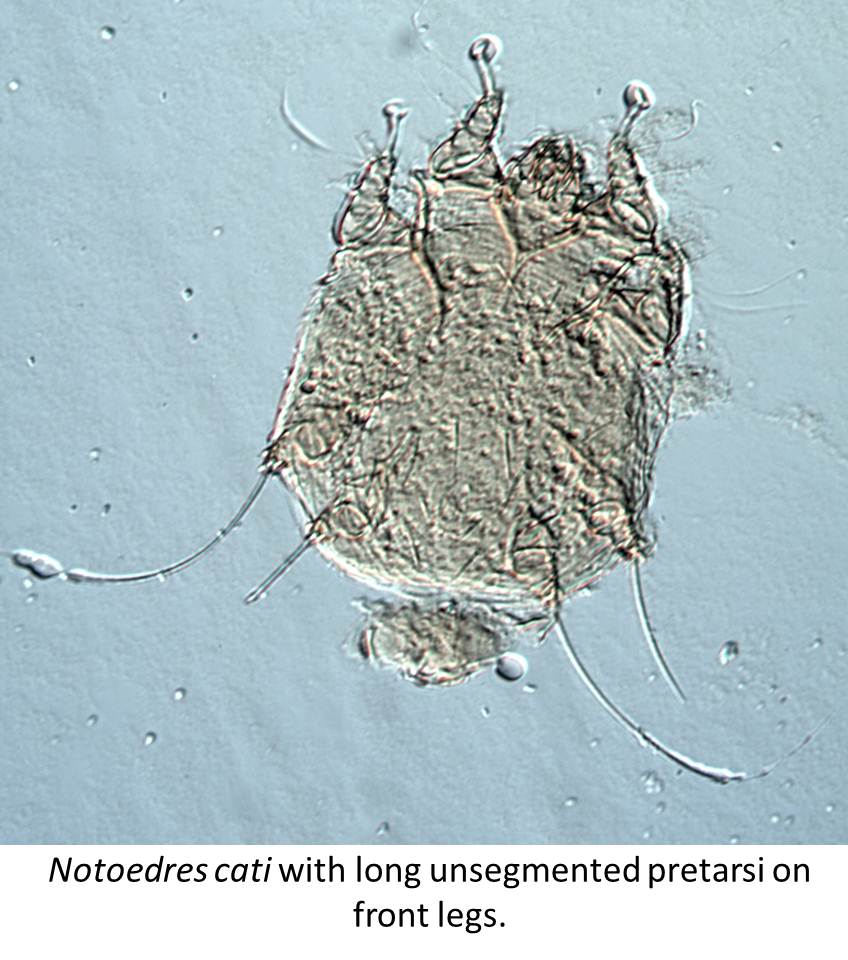
    Cat Mange is a skin disease caused by various tiny mite species. Some of the causative mange mites are normal residents of your cat’s skin and hair follicles while others are considered parasites. The skin infection ranges from mild to severe depending on how the mites proliferate. This post/article provides insight into the causes of Cat Mange (Feline Scabies), symptoms, treatment, prevention and tips. These are key if you’re looking to provide better pet care to your cat.

    Causes and Symptoms

    Causes of Cat Mange (Feline Scabies)

    Notoedres craoopedCat Mange (Feline Scabies) is also sometimes referred to as Notoedric mange due to the fact that its similar to the sarcoptic mange which affects dogs. It’s caused by Notoedres cati. The small microscopic monsters normally attach to your cat’s skin where they burrow after mating.

    The mites are associated with severe skin infections in cats starting on the face and ears and spreading to the entire body. The nasty bugs are contagious and can spread from cats to dogs or humans. While older cats may contract Cat Mange (Feline Scabies), kittens are at a greater risk to contact the condition.

    Symptoms

    Cat Mange tends to be either localized or affecting specified areas of the cat’s body. In the early stages, the localized form of mange exhibits change in the behavior of your pet. This is due to the fact that the cat tends to be itchy. The cat tends to scratch a lot. The patches she scratches usually develop some red papules which resemble small pimples. However, the pimples eventually crust after some time.

    In time, the affected skin will become both wrinkled and thickened. These cat mange symptoms are due to an allergy associated to the mite itself. Restlessness, intense itching and frantic scratching are some of the symptoms exhibited in the first week of exposure. This leads to hair loss and a moth-eaten appearance to the cat’s skin.

    Some of the commonly affected areas include your cat’s ears and face though it has the potential to spread to the entire body. In this case, your cat’s hair may become matted; crusted sores are visible on the cat’s forelegs, paws, and lower stomach. This itchiness tends to intensify, making the cat very uncomfortable. With intense scratching, the wounds become infected.

    Treatment of Cat Mange

    Prior to any treatment, your vet will perform proper diagnosis to ascertain for a fact that your cat has been affected by Cat Mange.

    In diagnosis, your veterinarian will carry out a thorough physical examination of your cat, and ask various question about your pets recent behavior. Your vet will also collect skin scrapings from the affected areas. The samples will be tested to evaluate the presence of Scabies. The veterinarian may also recommend other tests which are specific to your cat’s symptoms . It is only through proper and timely diagnosis that the situation can be treated before it becomes mild or chronic.

    The treatment of mange is usually variant based on your cat’s the level of infection and the cat’s particular situation. If detected, the first step in the treatment of mange includes isolating your cat.

    Getting Rid of the Mites

    Isolation prevents the situation (which is highly contagious) from affecting other pets and humans. The treatment however, typically includes the use of specialized shampoos and dips. Area that you cat frequent will need to be thoroughly cleaned. Regular vacuuming coupled with cleaning of your cat’s bedding is also a suitable recipe to getting rid of the mites.

    In the event where secondary bacterial infection is present, additional medications including antibiotics may be prescribed.

    Vet treatment options

    The vet will first prescribe the best medication to kill the mites. Based on the type of mange and your cat, this medication can be applied both topically, through injection, or by shampooing and dipping. Your vet may also prescribe antibacterial shampoo; anti-inflamatories and antibiotics which will help treat skin issues and ease inflammation.

    Note: that although mites are killed quickly, the results usually take time and are only seen after months of treatment.

    Do It Yourself (DIY)

    Notoedric_MangeWhile vet services exist, you may sometime choose to treat Cat Mange (Feline Scabies) infestation on your own. In such cases, it is vital to know some of the key aspects to observe during a DIY treatment. The scabies affected areas on long haired cats may need to be clipped and the entire animal bathed in warm water and soap. This helps to loosen the crusts. The kittens may also be dipped or shampooed. However, they must be dried quickly to prevent them from getting to cold.

    Dipping the cat in 2.5% lime sulfur weekly helps in killing the head mites. This treatment should be continued for a duration of two weeks after the apparent cure to effectively eliminate the skin infestation. The lime sulfur dips are safe and can even be used on pregnant cats and kittens with an age of over 6 weeks. Other cats on your premises should also be dipped once a week for 3-4 weeks as they may also harbor the Cat Mange causing mites which could act as a reservoir for re-infestation.

    Selamectin (Revolution) is an alternative to dips and has doses which are given once a month (but please contact you vet before use). Ivermectin is also recommended by some veterinarians.

    Prevention and Tips

    The best preventive care for Feline Scabies is to ensure that you separate your animals as soon as you notice infection. This is because mites need direct contact to pass infection as they cannot survive for long in the environment. If your cat has been diagnosed with mange, you need to thoroughly clean and replace the beddings, dishes, collar and toys. If you suspect that your neighbor’s cat may be infected, make sure you keep your pets away. This helps to keep the disease at bay.

    It is also advisable to bring your cat to the vet as directed. This ensures that appropriate care is provided and mites eradicated if present. Ensure that you take your cat to the vet to ascertain the presence of the situation. More so, certain cats are prone to mange than others. Ensure that your cat is well nourished and its immune system is not compromised.

    Thanks for The Cat Dandruff Clinic, if you found this article informative please like us using the side bar . [hr]

    Related Posts:

    [related_posts limit="3"]

  • Cat Grooming: Cat Claw Clippers A must Have

    Cat Grooming: Cat Claw Clippers A must Have

    So what do you need to know about trimming your cat’s claws or choosing a good quality nail clipper, well everything!! Every cat owners has felt the loving “Touch” of their feline companions when they are not in the best of moods

    Why Cats Sharpen Their Claws

    Cats love to sharpen their claws to fine points. It makes catching prey easier, even if your cat’s only prey is a ribbon or feather during playtime. Like much of their behavior, it comes from a place of predatory instinct. Unfortunately, this instinct can leave your furniture in ruins if your cat’s claws are not maintained properly. It’s important to trim your cat’s claws regularly. It saves your furniture and is a vital part of his overall well being.

    Another critical reason to trim and clean your cat claws on a regular basis is to help prevent infects from fungus. One word of CAUTION please don’t cut your cats nails to deep. This could lead to a serious condition know as dystrophies. This is a disease that affects the claws or the surrounding area could lead to pain, swelling or redness.

    Tricks and Tips for Kittens

    Ideally, you’ll want to condition your kitten to be accustomed to having his paws handled. The best way to do this is to play with his paws gently during a petting session. Make sure to touch the pads and the nails themselves. This ensures less stressful nail trims in the future.

    How to Trim Your Cat’s Claws

    [unordered_list style=”green-dot”]

    • Ease your cat into it. You can utilize several methods depending on your cat’s temperament. Some cats need a little coaxing and petting before allowing anyone to touch their paws. Offering his favorite treat can also help.
    • Restrain your cat. For some cats, one person will suffice during a nail trim. Others may need to be restrained by one person while a second person conducts the trim. In either case, make sure you know how to restrain him firmly but comfortably.
    • Keep calm. Always be calm and gentle. Try not to get frustrated or agitated. Your cat will mirror your energy and the process will become even more stressful for both of you. If you notice that your cat is exhibiting signs of pending aggression, such as rapid tail twitching or flattened ears, stop and continue again when he has calmed down.
    • Safely trim the claw. Once he’s more receptive and is allowing the nail trimming process, you’ll need to press down on the joint just above each individual claw. This will fully extend the claw and make the quick visible. The quick is like the pink part of the human fingernail. It has blood vessels and nerve endings. Think of how painful it is when you accidentally cut your nail down to the nail bed. To avoid hitting to deep, simply cut the hook-like tip of your cat’s claw. This is the sharpest point. Repeat the same process for as many claws as you can before your cat gets impatient and agitated. If he doesn’t allow all ten claws to be clipped in one session, look for an opportunity to continue later.

    [/unordered_list]

    Types of Cat Claw Clippers

    In addition to patience, the most important tool to have while trimming your cat’s nails is a sharp cat claw clipper. There are several different kinds available. Some look like scissors with grooves shaped to receive the claw. Some models hold the claw in place and have a scissor-like motion to cut the nail (nippers), while others have a “guillotine” blade. For small kittens, some people prefer using a human baby nail trimmer.

    The Overall Best Clipper

    The best choice in cat claw clippers is one with a guillotine blade. Provided the blade is sharp, it offers a clean and swift cut. The precision makes it safer to use by allowing you to easily avoid hitting the quick.

    It also speeds up the entire process, which benefits both you and your cat. It’s important to replace your clippers regularly. As soon as they become a bit dull, they can begin to crack your cat’s nails, sometimes all the way up to the quick. With the right tools, trimming your cat’s claws can be less of a pain for both of you.

    We recommend “Four Paws Ultimate Touch Cat Claw Clipper” because it is a professional grade clippers that is safe, dependable and delivers consistent results. If you concerned getting a pair of clippers grab this one.

    Thanks for www.catdandruffclinic.com, if you liked this article please like us using the side bar social buttons.

    [hr]

    Related Posts:

    [related_posts limit=”3″]